A journey to healing

Here is a non exhaustive list of what I can really and honestly give right now : a journey to healing. I don’t expect anything more than understanding.

1- Accept my sacrifices and decisions without resentment, after all I made them.

2- Understand my attachment is fearful-avoidant style and heal it. Stop the endless loop.

3- Put down ego = accept I can be needy.

4- Make decisions from logic and emotion combined to stop activation / deactivation loop.

5- Be aware no one is responsible of my internal reactions and the chronic fear of losing myself.

6- Apply good intentions, stop rejecting from fear.

7- Stop the need of intense emotions to cope and sit with myself and feel the pain.

8- Stop the dynamic : very desperate/needy/deactivation/cold/detached/ and the loop again.

9- Be firm with myself, take life changing decisions can lead to resentment. Be aware of it before doing it.

10- Losing myself was maybe finding it = resolve the pattern that will repeat if I run away from it again.

11- Use Radical honesty = majority of suffering is caused by lying to myself and to others.

12- End on and off = accept i need help.

13- Do not disturb people inner peace when I have difficult moment I don’t know how to cope with. Stay away.

14- Break the pattern = in and out and in and the loop again.

15- Stop chasing high emotions to cope with the pain.

16- Wait to make decisions, not when I am on the edge of one of the extreme of activation/deactivation .

17- Don’t lock the room unlocked when I felt secure because of the loss and anxiety.

18- stop treating the symptoms = if am experiencing a trigger, I should not react the way I feel I should. Take time to find the root of that trigger.

19- stop applying constant solutions to symptoms. Find the root of the problem and discuss it. Heal it.

20- My need to be saved is understandable but there is no savior coming. No matter how far away I escape, I will never break the pattern until I heal it. There is no partner who will do that for me.

21- Accept to be changed through the process of loving someone.

22- Find where I end and where I begin. My boundaries.

23- Have a true mirror back with integrated decisions. And vis versa.

24- Never operate based on strategies, lay off the cards on the table.

25- Understand that we are responsible for our partner well being.

26- Don’t make generalisations during conflict.

27- wear my heart on my sleeves and express my needs. Be specific.

28– ….. not sure yet .. the list can continue.
To the Roots

“ …Some people are like leaves on a tree. The wind blows, they’re over here. It blows the other way, they’re over there. They’re unstable. Seasons change. They wither and die. They’re gone. That’s alright. Most people in the world are like that. They’re just there to take from the tree. They aren’t going to do anything but take and give shade every now and then. That’s all they can do. Don’t get mad at people like that. That’s who they are. They were put on the earth to be a leaf.

Some people are like a branch on the tree. You gotta be careful of those branches too. They’ll fool you. They make you think they’re a good friend and they’re real strong, but you step out there on them, and they break and they leave you high and dry.

But if you find you two or three people in your life just like the roots at the bottom of that tree, you are blessed ‘cause them the kind of people that ain’t going nowhere. They ain’t worried about being seen. Don’t nobody have to know they know you. Don’t have to know what they’re doing for you. But if those roots weren’t there, that tree couldn’t live.

A tree can have a hundred million branches, but there’s only few roots down at the bottom. I’m telling you son, when you get some roots, hang onto them. But the rest of them, let it go.”

Eat your own bread

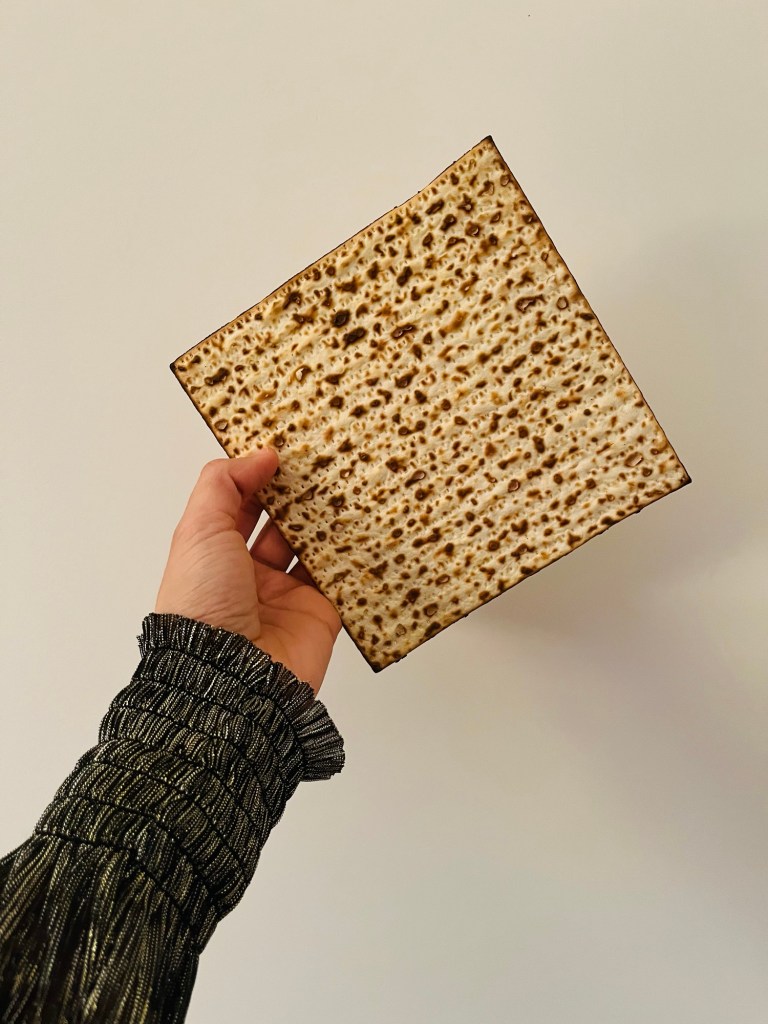
On Pesach, I found strange the invitation to others to join us in eating the bread of affliction. What kind of hospitality is that, I thought, to ask others to share our suffering?

Unexpectedly, I discovered the answer in Primo Levi’s great book, If This is a Man, the harrowing account of his experiences in Auschwitz during the Holocaust. According to Levi, the worst of all his terrible experiences happened when the Nazis abandoned the camps in January 1945, fearing the Russian advance. All prisoners who could walk were taken on brutal ‘death marches.’ The only people left in the camp were those too ill to move.

For ten days they were left alone with only scraps of food and fuel. Levi describes how he worked to light a fire and bring some warmth to his fellow prisoners, many of them dying. He then writes:

‘When the broken window was repaired and the stove began to spread its heat, something seemed to relax in everyone, and at that moment Towarowski (a Franco-Pole of twenty-three, with typhus) proposed to the others that each of them offer a slice of bread to us three who had been working. And so it was agreed. ’Only a day before’, says Levi, ‘this would have been inconceivable. The law of the camp said: “Eat your own bread, and if you can, that of your neighbour.” To do otherwise would have been suicidal. The offer of sharing bread “was the first human gesture that occurred among us. I believe that that moment can be dated as the beginning of the change by which we who had not died slowly changed from Haftlinge[prisoners] to men again.’

Sharing food is the first act through which slaves become free human beings. One who fears tomorrow does not offer their bread to others. But those who are willing to divide their food with a stranger have already shown themselves capable of fellowship and faith, the two things from which hope is born. That is why we begin the Seder by inviting others to join us. That is how we turn affliction into freedom.

Entering leaves- Passover 5784

“Deserving is he who enters and exists [and enters]” etc. This is the passage quoted in the Zohar III 292a.

The idea here is that there are two levels: going up and going down. We all experience these ups and downs during the times of our lives. However, the concept is known as yerida letzorech aliya,we descend in order to ascend. When we hit rock bottom, when we feel like we are at the bottom of the pit when we can’t get any lower, that’s when we have to remember that the Zohar is saying he enters leaves and enters again.

This is Pesach where Hashem skipped over all the doorways, Chazal teaches that Hashem says open me a small opening like the eye of a needle and I will open it for you like a vast hall”

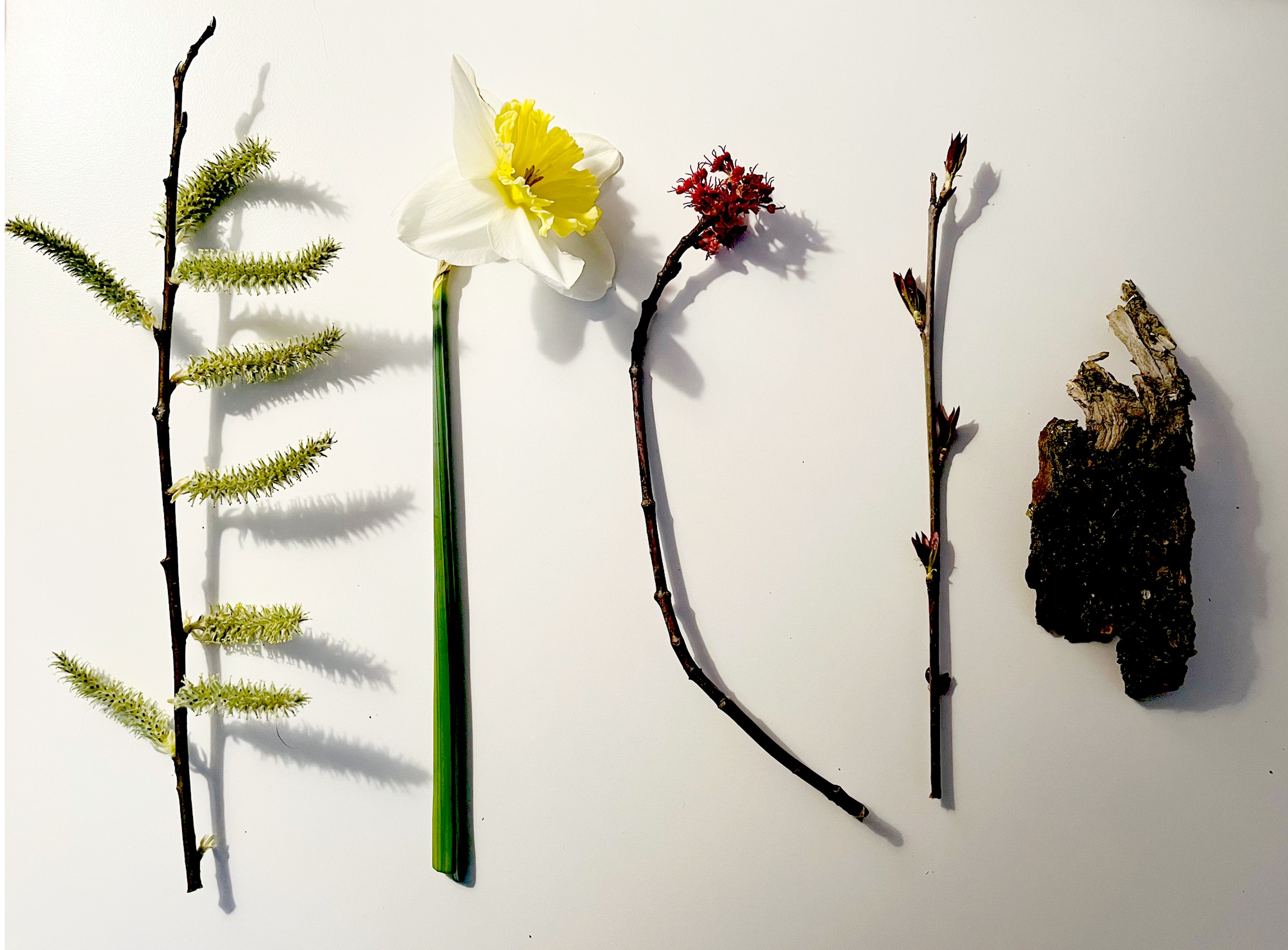
And, for me the most important thing to recognize is that when the winter ends, and spring comes, what comes out in spring attests to what was working on deeper levels back when everything seemed lifeless and hopeless in the heart of winter.

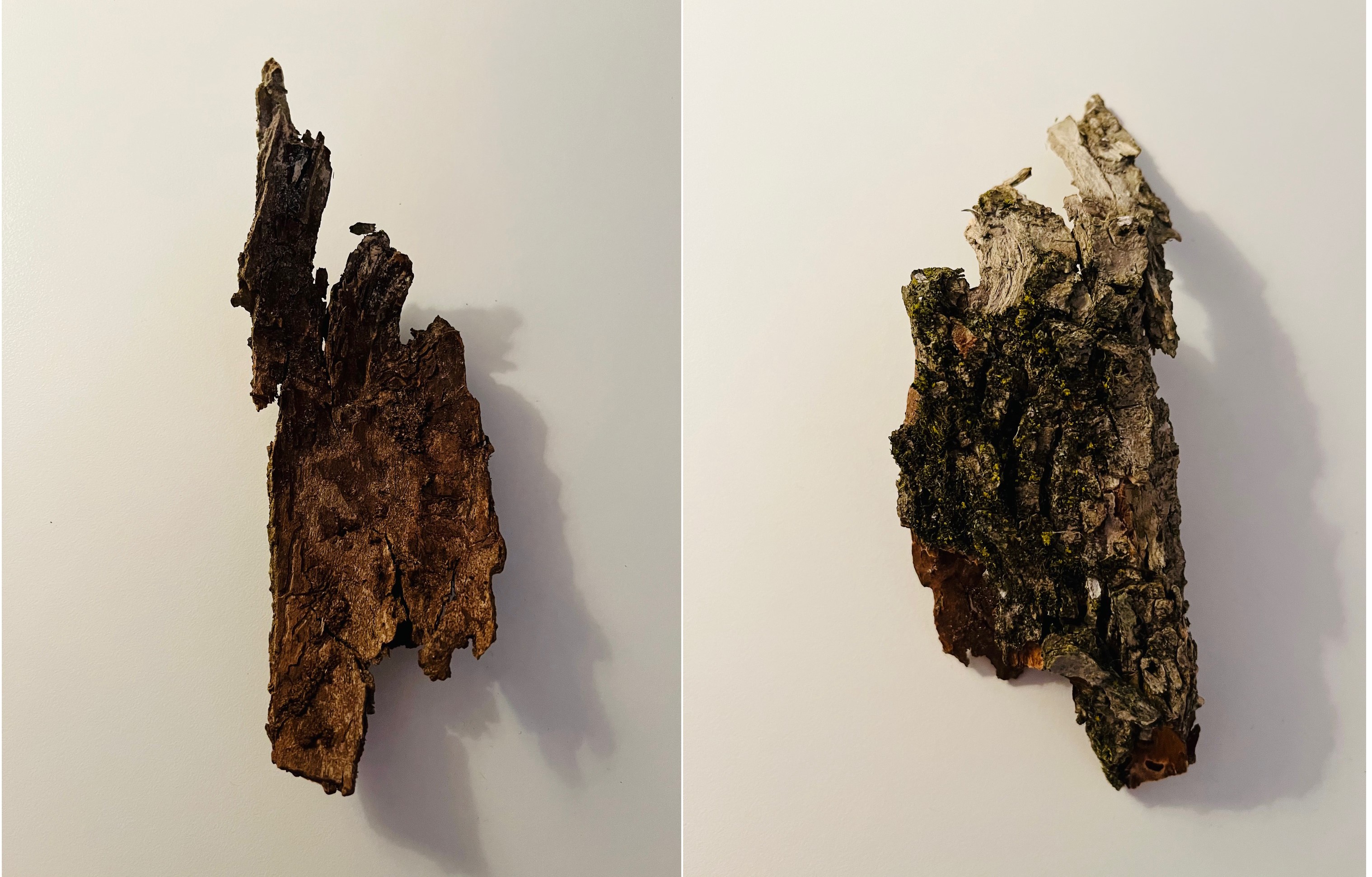
L’écorce

Tags

« je ne veux m’engager dans rien (…) tenir les mains toujours complètement libres dans l’air, n’entrer dans aucune écorce, ne toucher à rien du moins directement, que les choses viennent avec des pieds muets, d’elles- mêmes elles entrent sans que j’entende aucun éclat de porte qui s’ouvre et se ferme, aucune ligne droite, aucune blessure, je ne les toucherai pas. » (1933) A. Giacometti, Ecrits, Hermann, 2001, p. 161.

« […] j’ai fait un immense progrès, maintenant je n’avance qu’en tournant le dos au but, je ne fais qu’en défaisant. » Alberto Giacometti, « Notes sur les copies », Écrits, ibid., p. 97.

Les oiseaux

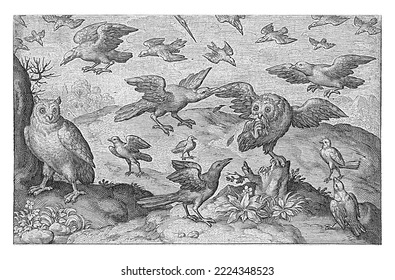
Je suis née un matin sur le bord d’une mer trop salée. S’y baigner, c’était s’y brûler. Mais elle était belle, cette mer, elle obscurcissait le jour et son souffle de feu racontait aux enfants la vie des profondeurs. Et puis j’ai dû quitter la mer. Je suis devenue sourde à la tristesse du monde. J’ai cru à la douceur du ciel, aux nuages légers, à la rosée des aubes. Jusqu’au jour où j’ai vu de grands oiseaux déchiqueter des corps. La mer alors en moi a commencé à sourdre. Et bientôt, je le sais, elle me submergera.

“Cette main se révolte…”

Enfant, j’étais bonne élève. Excellente même. Et cela n’avait rien d’extraordinaire. J’étais fille de médecin. J’avais même vaguement conscience de mon privilège, et ce privilège me gênait un peu. Je refusais souvent que mes parents m’aident à faire mes devoirs. Je me souviens même d’avoir parfois, non sans quelque véhémence, voire avec brutalité, rabroué mon père , lorsqu’il me proposait de jeter un coup d’œil sur mes brouillons. Je me faisais plaisir, bien sûr, je me donnais bonne conscience sans trop le savoir. J’ignorais que cela ne changeait rien à l’injustice, à l’inégalité de fond: c’était le contexte, l’atmosphère, toutes les suggestions indirectes, l’accès facile à la culture, aux livres, à l’art, la valorisation tacite de l’immatériel, qui constituaient mon véritable privilège, et je n’y pouvais rien. Au moins n’ai-je jamais fréquenté, ce n’était pas notre monde, la bourgeoisie d’argent, ni les milieux polis et péteux de nos belles élites culturelles. En plus j’étais – et je suis demeurée- une provinciale.

Mais ce n’est pas de cela que je voulais vous parler.

J’étais une bonne élève, excellente même, et ça ne changeait rien. D’ailleurs, je n’étais pas si bonne que ça. Mauvaise en travail manuel. J’ai appris à me servir un peu de mes mains. Et j’ai fini, au prix de gros efforts, étalés sur de longues années, à maîtriser (à peu près) mes mains, elles me servent à compter le vide. Comme disait Thomas Bernhard:

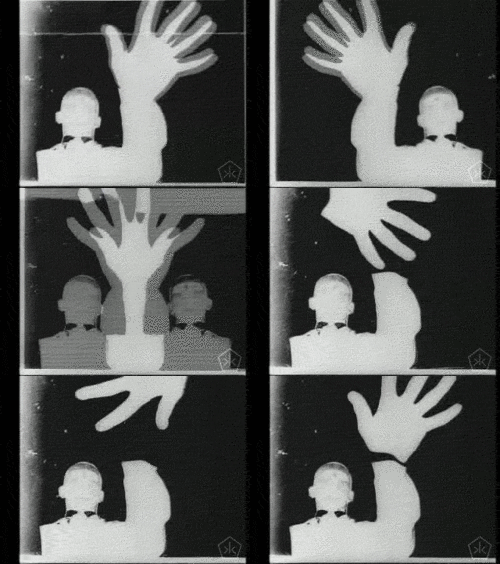
Les êtres qui ont vraiment été importants dans notre vie peuvent se compter sur les doigts d’une seule main, et, bien souvent, cette main se révolte contre la perversité que nous mettons à vouloir consacrer toute une main à compter ces êtres, là où, si nous sommes sincères, nous nous en tirerions probablement sans un seul doigt. “

Quand mon père avait soif.

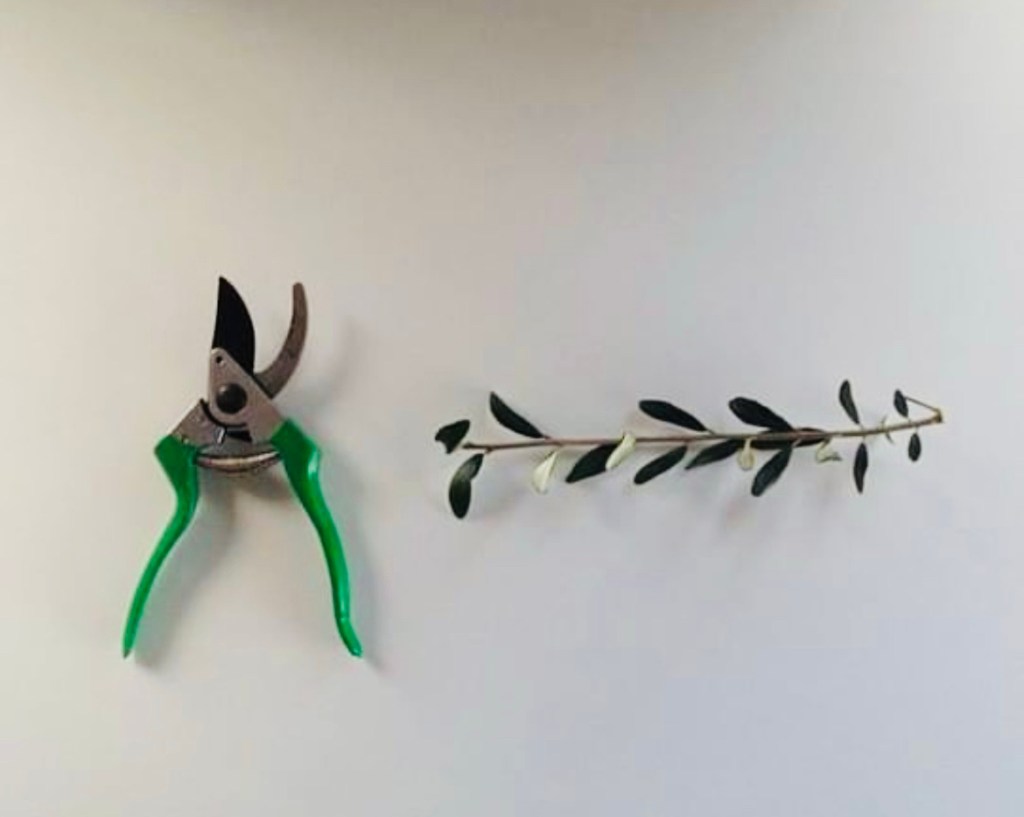
Quand mon père avait soif, il demandait qu’on lui apporte un verre d’eau. Il n’allait pas se le verser lui-même. Non qu’il ignorât comment tourner le bouton d’un robinet : il se rasait tous les matins. Il ne devait pas savoir où se trouvaient les verres. De fait, mon père n’a jamais su faire autre chose de ses mains que ceci : écrire, et tourner les pages d’un livre. Il pouvait aussi lui arriver, les grands jours, de se saisir d’un sécateur et de couper, sur nos rares plantes d’intérieur, tout ce qui lui paraissait une excroissance superflue ou suspecte. Nous avions alors grand peur. Pour les plantes. Et pour lui, qui risquait fort de se blesser.

Mon père n’a bien sûr jamais fait la cuisine, ni mis le couvert, ni débarrassé la table, ni fait la vaisselle. Il n’a fait son lit que pendant son service militaire. Et il n’en a jamais changé les draps. Il n’a jamais passé l’aspirateur. Il n’aurait sans doute pas su l’allumer. Il me semble pourtant qu’il changeait les ampoules grillées : nul autre que lui ne pouvait toucher à l’électricité, on pouvait en mourir, il se sacrifiait.

À certains égards, on pourrait penser que je suis la digne continuatrice de mon père. Je ne cuisine jamais. Sauf quand je suis seule. Je ne sais pas utiliser un micro-onde.

Cela dit, je suis un être paradoxal. Ou alors un être pleinement cohérent. Les intellectuels s’enorgueillissent, eux, de ne pas savoir planter un clou. Leur rapport à la matérialité du réel se limite à l’alimentaire. Ils ne savent pas déboucher un évier, changer un commutateur, monter un meuble IKEA, fixer des tringles à rideaux, passer un rénovateur sur leur parquet fatigué. Or moi, durant toute une année, j’ai essayé de faire tout cela et bien d’autres choses encore. Par quoi je démontre que je ne suis pas la fille de mon père. Et surtout que je n’ai jamais réussi à devenir une intellectuelle – qui se doit d’être maladroite en toutes circonstances, sauf, éventuellement, devant ses fourneaux. Mon intégration au milieu de mangeurs de poisson en papillote que je suis censée fréquenter et dont je suis censée partager l’habitus, apparaît à cet égard encore bien incomplète. En fait, cette cause est perdue.

J’ai surtout appris à oser, à ne pas avoir honte de ma maladresse, à révérer la matière.

Utopias

Tags

,


Life emerges from “unstable balances”.
If there was stability everywhere, there would be no life.
But instability is anguish, discomfort, danger.
And the world lives of it, forever restless.
Hence the rubbish of these “City of the Sun”, of these “Utopias”, whose essence is eternal happiness. Meaning a definitive “stable equilibrium”.
This is not how you determine the “future”, but mark the death.