25 Sunday Mar 2018
Posted in Uncategorized
22 Thursday Feb 2018
Posted in Uncategorized
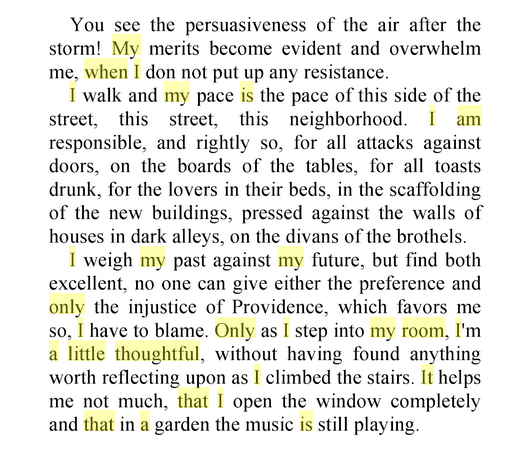
”See what a persuasive force the air has after a thunderstorm! My merits become evident and overpower me, though I don’t put up any resistance, I grant you.
I stride along and my tempo is the tempo of all my side of the street, of the whole street, of the whole quarter. Mine is the responsibility, and rightly so, for all the raps on doors or on the flat of a table, for all toasts drunk, for lovers in their beds, in the scaffolding of new buildings, pressed to each other against the house walls in dark alleys, or on the divans of a brothel.
I weigh my past against my future, but find both of them admirable, cannot give either the preference, and find nothing to grumble at save the injustice of providence that has so clearly favoured me.
Only as I come into my room I feel a little meditative, without having met anything on the stairs worth meditating about. It doesn’t help me much to open the window wide and hear music still playing in a garden”
28 Thursday Dec 2017
Posted in Uncategorized

01 Wednesday Nov 2017
Posted in Uncategorized
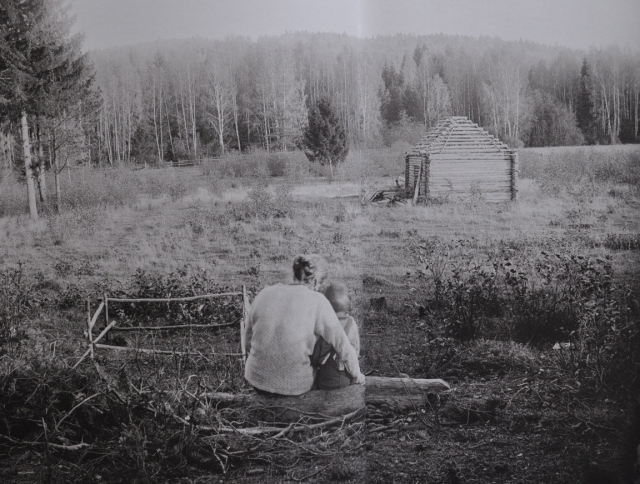
Andrei Tarkovsky with his mother Maria Vishnyakova
17 Tuesday Oct 2017
Posted in Uncategorized
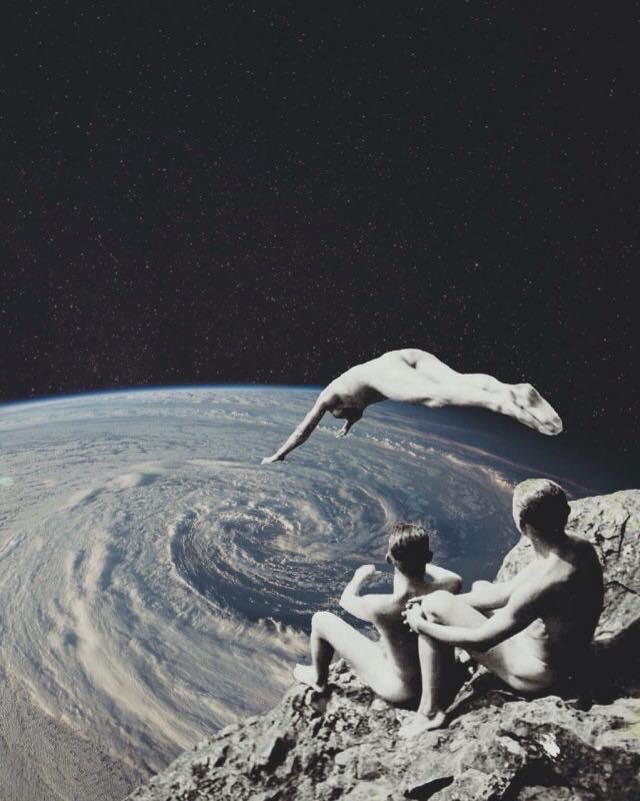
Depuis que nous «habitons» moins le monde, nous avons réinvesti notre corps. Dans les Ecumes, je développe cette intuition qui parcourt les travaux de Michel Foucault, notamment la Volonté de savoir, le troisième tome de son Histoire de la sexualité. Lorsque le cosmos (la suprasphère métaphysique) qui organise le séjour des hommes sur la Terre a cessé d’apparaître sous les traits d’une immense bulle de savon, lorsque les hommes ont eu le sentiment que ce cosmos n’avait plus rien à leur dire, bref, quand ils se sont persuadés que l’univers n’est qu’un silence infini d’espaces désolés, ils n’ont plus vraiment eu d’yeux pour lui. Ils ont commencé à regarder en eux-mêmes. Alors, ils ont découvert en eux mêmes une étrangeté, d’autant plus inquiétante qu’elle reste pour toujours leur – en l’occurrence, c’est une propriété qui a pour nom le système immunitaire..(…)…Grâce à l’hyperanxiété frivole du dispositif médiatique, il n’est plus possible de penser le moindre problème sans affolement. On réussit un sujet quand on fait monter l’adrénaline collective. Face à des technologies du vivant diabolisées, à une biurgie satanisée, un vieux rêve gnostique reprend du service, celui d’une recréation de l’homme par sa propre toute-puissance, et les médias, sous couvert d’en souligner les dangers, sont les premiers à s’en délecter.
Dans le fascisme d’amusement qui caractérise notre modernité tardive, le clonage des cellules souches et les attentats kamikazes relèvent tous les deux de la catégorie du «gothic» . Le «gothic» imprègne jusqu’aux étages les plus élevés de notre culture. Même la philosophie, pour peu qu’elle soit critique, est aujourd’hui une Schauerphilosophie – une philosophie d’épouvante. La panique «biotechnophobique» est la forme postmoderne du culte du sublime, une façon pour les hommes de communier autour de ce qui déplaît universellement sans concept. Par la grâce du génie génétique tel qu’il est expliqué dans les médias d’épouvante, nous vivons à l’heure des communautés horrifiées. La rumination des catastrophes possibles est le socialisme esthétique d’un monde désagrégé, l’ultime ciment qui le fait «tenir». L’usage politique du sublime effrayant produit la synthèse sociale.
Peter Sloterdijk
10 Tuesday Oct 2017
Posted in Uncategorized
Tags
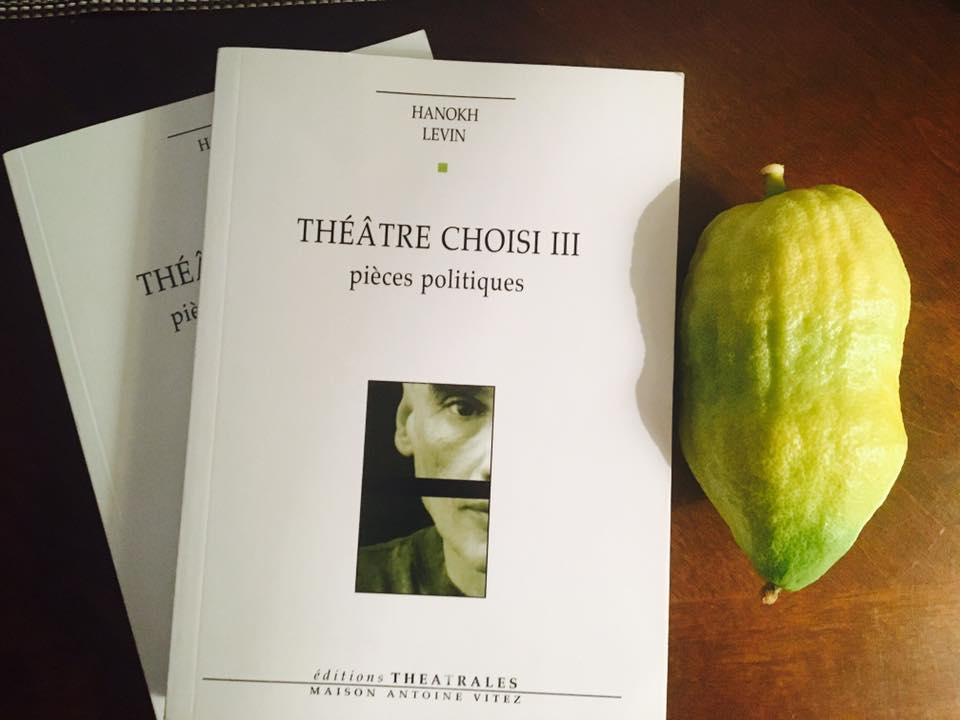
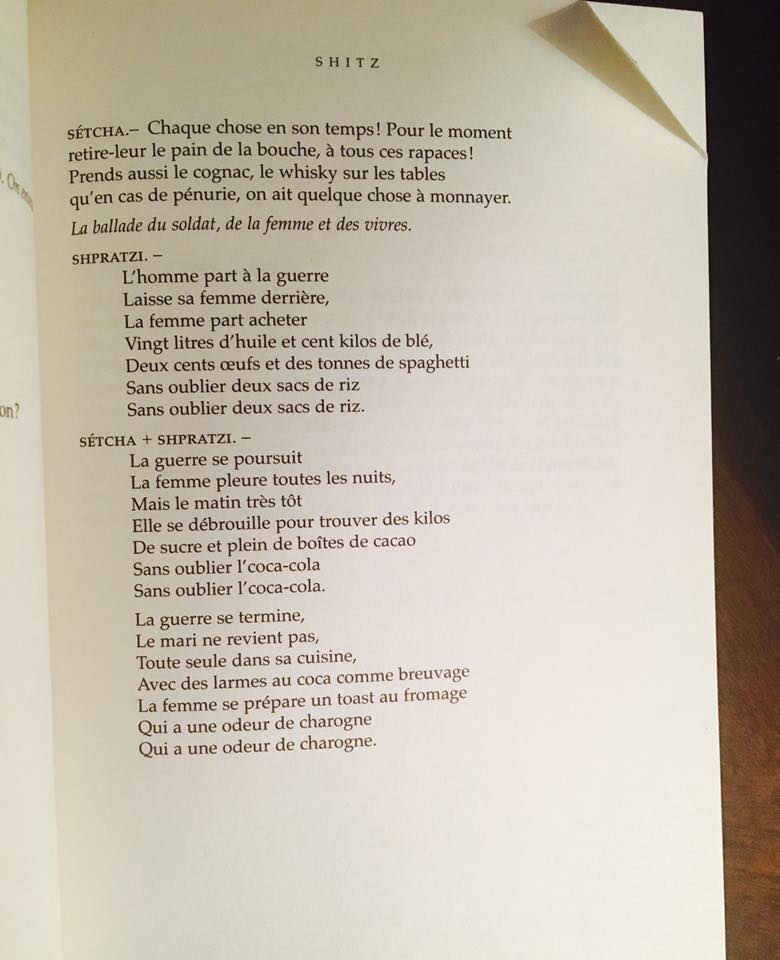
Dans Platon, dans Phaidros 248 c, dans le théâtre céleste le démon Phthonos (en latin Invidia, en français, l’envie) est le seul dieu exclu du chœur des dieux. Les chevaux magnifiques, mais trop lourds, peinent à s’approcher de leur mangeoire. Les vieilles âmes des hommes, passant de corps en corps dans des cycles de vie infinie, estropiées à la longue, leurs ailes froissées, leurs plumes brisées, faute d’avoir été initiées à la contemplation, ont l’opinion pour nourriture. « Inutile d’avoir pour elles un regard ! s’écrie alors Platon avec une force soudaine. Il faut fuir les âmes (psychè) qui ont une opinion (doxa) de la même façon qu’on s’éloigne quand on voit venir des hommes éméchés ! » P. Quignard.
28 Thursday Sep 2017
Posted in Uncategorized
“It is difficult for people of the present age not only to understand the cause of their miserable condition, but even to grasp the fact that their condition is miserable. This is chiefly due to the principal calamity of the age which is called progress and which manifests itself in a feverish anxiety, hurry, strenuous labour directed towards the production of useless, nay, manifestly harmful, things, in maintaining a state of constant intoxication by following up ever new senseless occupations which absorb their whole time, and, above all, in a boundless conceit. Life is buzzing with the Zeppelins, submarines, dreadnoughts, sky-scrapers fifty stories high, parliaments, theatres, wireless telegraphs, congresses, armies millions strong, navies, professors of all sorts of schools, milliards of books, newspapers, discussions, speeches and investigations. In this fit of restlessness, hurry, anxiety, in this strenuous labour invariably directed towards the production of unnecessary or plainly harmful things, people are so delighted towards the production of unnecessary or plainly harmful things, people are so delighted with themselves that they not only do not see, do not wish to see, and in fact cannot see their own insanity, but are proud of it, expect great things from it, and in anticipation of these great blessings subject themselves to ever greater and greater intoxication by means of all sorts of new senseless occupations with the sole object of dulling their conscience in order to take life easily. People are sinking deeper and deeper into hopeless and insoluble economic, political, scientific, æsthetical, and ethical contradictions. ” Leo Tolstoy.
02 Wednesday Aug 2017
Posted in Uncategorized
27 Thursday Jul 2017
27 Thursday Jul 2017
Posted in Uncategorized
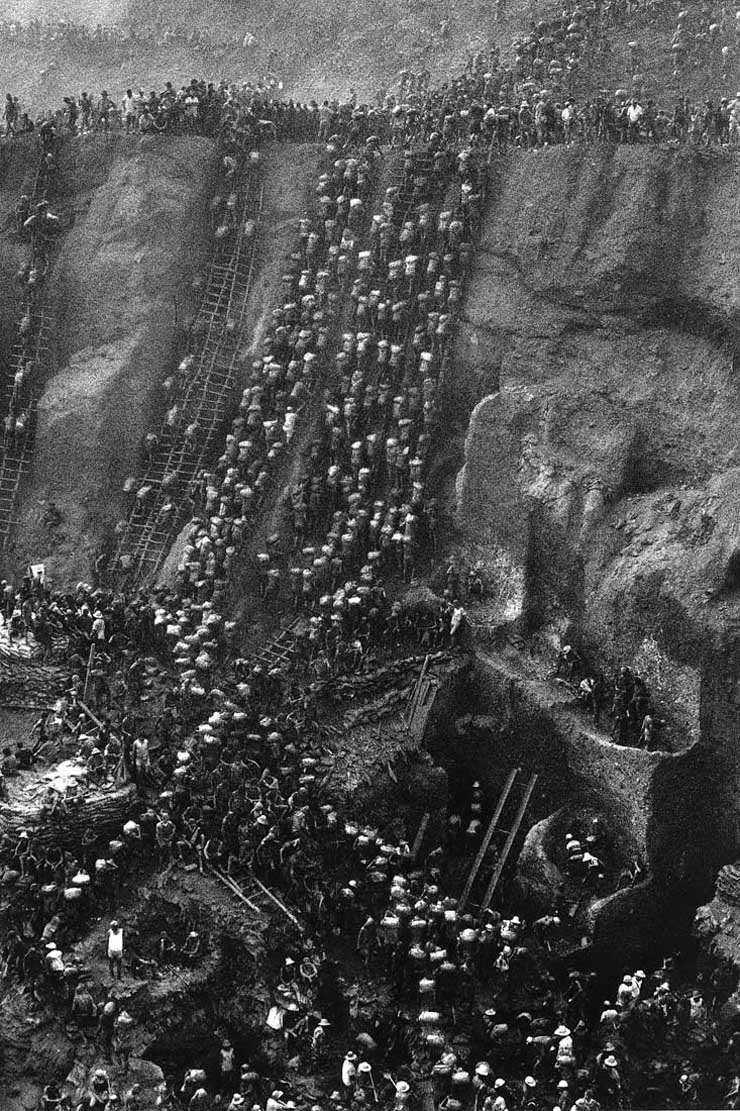
“The most merciful thing in the world, I think, is the inability of the human mind to correlate all its contents. We live on a placid island of ignorance in the midst of black seas of infinity, and it was not meant that we should voyage far. The sciences, each straining in its own direction, have hitherto harmed us little; but some day the piecing together of dissociated knowledge will open up such terrifying vistas of reality, and of our frightful position therein, that we shall either go mad from the revelation or flee from the light into the peace and safety of a new dark age.” Lovecraft.


You must be logged in to post a comment.