Tags
17 Tuesday Jan 2017
Posted in Uncategorized
Tags
15 Sunday Jan 2017
Posted in Uncategorized
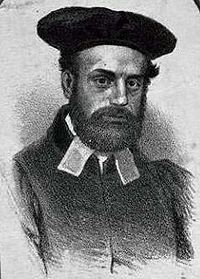
There have been “real ehrlicher Yidden” who listened to classical, folk, and other secular music forms. Or read secular poetry.
With all due respect, our medieval paytanim were awesome tzaddikim, but they were not as great writers as William Blake or Dylan Thomas or Robert Frost, and not too many frum instrumentalists compare to Leo Kottke or John Coltrane or Andres Segovia or Pablo Casals…
Says Rav Kook [Mishnato shel HaRav Kook]:
“It is a mean eye that causes one to see only ugliness and impurity in everything beyond the bounds of Israel, the unique nation. This is one of the most awful, debased forms of darkness. It damages the entire edifice of spiritual virtue, the light of which every spiritual soul seeks.”
Rav Hirsch was a big fan of the poetry of Schiller. His famous speech about the romantic poet Schiller, until now has not been translated into any language from its original German. The reason is that Hirsch’s attachment to Schiller has not been shared by more recent generations.
Here you can read pdf it and finally understand why R.Hirsch was so attached to German culture and how he could find such spiritual value in writings outside the canon of Torah literature.
11 Wednesday Jan 2017
Posted in Uncategorized
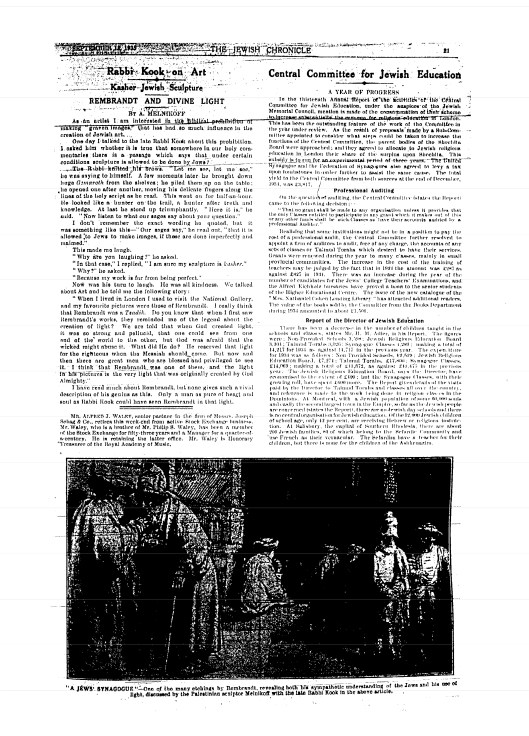 Jewish Chronicle article pdf by Avram Melnikoff (1892-1960), a sculptor from Jerusalem who lived in London from 1933-1959. The article was written two weeks after Rav Kook’s passing and the author recounts a conversation that he had with Rav Kook, where the latter told Melnikoff:
“When I lived in London I used to visit the National Gallery, and my favourite pictures were those of Rembrandt. I really think that Rembrandt was a Tzadik. Do you know that when I first saw Rembrandt’s works, they reminded me of the legend about the creation of light? We are told that when God created light, it was so strong and pellucid, that one could see from one and of the world to the other, but God was afraid that the wicked might abuse it. What did He do? He reserved that light for the righteous when the Messiah should come. But now and then there are great men who are blessed and privilaged to see it. I think that Rembrandt was one of them, and the light in his pictures is the very light that was originally created by God Almighty.”
Melnikoff concludes that he had “read much about Rembrandt, but none gives such a vivid description of his genius… Only a man as pure of heart and soul as Rabbi Kook could have seen Rembrandt in that light.”
Sources: London Jewish Chronicle, September 13, 1935, p. 21.
30 Friday Dec 2016
Posted in Philippe Muray, Uncategorized
Tags
21 Monday Nov 2016
Posted in Uncategorized, Virgile
Tags
This gallery contains 2 photos.
18 Friday Nov 2016
Posted in Uncategorized
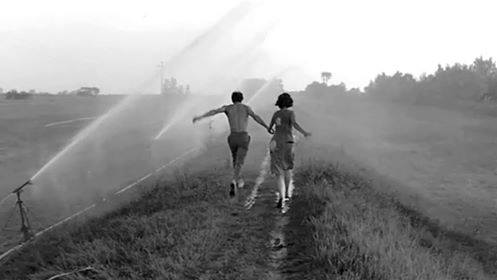
Photo : “La notte brava” (1959) de Mauro Bolognini.
Texte écrit par Pasolini et originalement publié autant que “Il vuoto del potere in Italia’ dans ”Corriere della sera”, le 1 February 1975.
« La distinction entre fascisme adjectif et fascisme substantif remonte à rien moins qu’au journal il Politecnico, c’est-à-dire à l’immédiat après-guerre… » Ainsi commence une intervention de Franco Fortini sur le fascisme (l’Europeo, 26-12-1974) : intervention à laquelle, comme on dit, je souscris complètement et pleinement. Je ne peux pourtant pas souscrire à son tendancieux début. En effet, la distinction entre « fascismes » faite dans le Politecnico n’est ni pertinente, ni actuelle. Elle pouvait encore être valable jusqu’à il y a une dizaine d’années : quand le régime démocrate-chrétien était encore la continuation pure et simple du régime fasciste.
Mais, il y a une dizaine d’années, il s’est passé « quelque chose ». Quelque chose qui n’existait, ni n’était prévisible, non seulement à l’époque du Politecnico, mais encore un an avant que cela ne se passât (ou carrément, comme on le verra, pendant que cela se passait).
La vraie confrontation entre les « fascismes » ne peut donc pas être « chronologiquement » celle du fascisme fasciste avec le fascisme démocrate-chrétien, mais celle du fascisme fasciste avec le fascisme radicalement, totalement et imprévisiblement nouveau qui est né de ce « quelque chose » qui s’est passé il y a une dizaine d’années.
Puisque je suis écrivain et que je polémique ou, du moins, que je discute avec d’autres écrivains, que l’on me permette de donner une définition à caractère poético-littéraire de ce phénomène qui est intervenu en Italie en ce temps-là. Cela servira à simplifier et à abréger (et probablement aussi à mieux comprendre) notre propos.
Au début des années 60, à cause de la pollution atmosphérique et, surtout, à la campagne, à cause de la pollution de l’eau (fleuves d’azur et canaux limpides), les lucioles ont commencé à disparaître. Cela a été un phénomène foudroyant et fulgurant. Après quelques années, il n’y avait plus de lucioles. (Aujourd’hui, c’est un souvenir quelque peu poignant du passé : un homme de naguère qui a un tel souvenir ne peut se retrouver jeune dans les nouveaux jeunes, et ne peut donc plus avoir les beaux regrets d’autrefois).
Ce « quelque chose » qui est intervenu il y a une dizaine d’années, nous l’appellerons donc la « disparition des lucioles ».
Le régime démocrate-chrétien a connu deux phases complètement distinctes, qui, non seulement, ne peuvent être confrontées l’une à l’autre, ce qui impliquerait une certaine continuité entre elles, mais encore qui sont devenues franchement incommensurables d’un point de vue historique. La première phase de ce régime (comme, à juste titre, les radicaux ont toujours tenu à l’appeler) est celle qui va de la fin de la guerre à la disparition des lucioles, et la seconde, celle qui va de la disparition des lucioles à aujourd’hui. Observons-les l’une après l’autre.
Avant la disparition des lucioles.
La continuité entre le fascisme fasciste et le fascisme démocrate-chrétien est totale et absolue. Je ne parlerai pas de ceci, dont on parlait aussi à l’époque, peut-être dans le Politecnico : l’épuration manquée, la continuité des codes, la violence policière, le mépris pour la constitution. Et je m’arrête à ce fait qui, par la suite, a compté pour une conscience historique rétrospective : la démocratie que les antifascistes démocrates-chrétiens ont opposée à la dictature fasciste était effrontément formelle.
Elle se fondait sur une majorité absolue obtenue par les votes d’énormes strates de classes moyennes et d’immenses masses paysannes, guidées par le Vatican. Cette direction du Vatican n’était possible que si elle se fondait sur un régime totalement répressif. Dans un tel univers, les « valeurs » qui comptaient étaient les mêmes que pour le fascisme : l’Eglise, la patrie, la famille, l’obéissance, la discipline, l’ordre, l’épargne, la moralité. Ces « valeurs » (comme d’ailleurs sous le fascisme) étaient « aussi réelles », c’est-à-dire qu’elles faisaient partie des cultures particulières et concrètes qui constituaient l’Italie archaïquement agricole et paléoindustrielle. Mais au moment où elles ont été érigées en « valeurs » nationales, elles n’ont pu que perdre toute réalité, pour devenir atroce, stupide et répressif conformisme d’Etat : le conformisme du pouvoir fasciste et démocrate-chrétien. Ne parlons pas du provincialisme, de la grossièreté et de l’ignorance des élites qui, à un niveau différent de celui des masses, furent les mêmes durant le fascisme et durant la première phase du régime démocrate-chrétien. Le paradigme de cette ignorance, ce furent le pragmatisme et le formalisme du Vatican.
Tout cela semble clair et incontestable aujourd’hui parce que les intellectuels et les opposants d’alors nourrissaient des espérances insensées. Ils espéraient que tout cela ne fût pas complètement vrai et que la démocratie formelle comptât au fond pour quelque chose. A présent, avant de passer avant la seconde phase, il me faut consacrer quelques lignes au moment de transition.
Pendant la disparition des lucioles.
A cette époque, la distinction entre fascisme et fascisme du Politecnico pouvait aussi s’opérer. En effet, aussi bien le grand pays qui était en train de se constituer dans le pays – la masse paysanne et ouvrière organisée par le P.C.I. – que les intellectuels les plus avancés et les plus critiques, ne se sont pas aperçus que « les lucioles étaient en train de disparaître ». Ils connaissaient assez bien la sociologie (qui, dans ces années-là, avait provoqué la crise de la méthode d’analyse marxiste), mais c’était des connaissances encore non vécues, essentiellement formelles. Personne ne pouvait soupçonner quelle serait la réalité historique du futur immédiat, ni identifier ce que l’on appelait alors le « bien-être » avec le « développement » qui devait réaliser pour la première fois pleinement en Italie ce « génocide » dont Marx parlait dans son Manifeste.
Après la disparition des lucioles.
Les « valeurs », nationalisées et donc falsifiées, du vieil univers agricole et paléocapitaliste d’un seul coup ne comptent plus. Eglise, patrie, famille, obéissance, ordre, épargne, moralité, ne comptent plus. Elles ne sur-vivent même plus en tant que fausses valeurs. Elles sur-vivent dans le clérico-fascisme émargé (même le M.S.I. les répudie pour l’essentiel). Les remplacent les « valeurs » d’un nouveau type de civilisation, complètement « autre » par rapport à la société paysanne et paléoindustrielle. Cette expérience a déjà été faite par d’autres Etats. Mais, en Italie, elle est entièrement particulière, parce qu’il s’agit de la première « unification » réelle subie par notre pays, alors que dans les autres pays elle se superpose, avec une certaine logique, à l’unification monarchique et aux unifications ultérieures de la révolution bourgeoise et industrielle. Le traumatisme italien dû au choc entre l’« archaïsme » pluraliste et le nivellement industriel n’a peut-être qu’un seul précédent : l’Allemagne d’avant Hitler. Là aussi, les valeurs des différentes cultures particularistes ont été détruites par l’homologation violente que fut l’industrialisation, avec pour conséquence la formation de ces gigantesques masses, non plus antiques (paysannes, artisanes) et pas encore modernes (bourgeoises), qui ont constitué le sauvage, l’aberrant, l’imprévisible corps des troupes nazies.
Il se passe quelque chose de semblable en Italie, et avec une violence encore plus grande, dans la mesure où l’industrialisation des années 60-70 constitue également une « mutation » décisive par rapport à celle de l’Allemagne d’il y a cinquante ans. Nous ne sommes plus, comme chacun le sait, en face de « temps nouveaux », mais d’une époque nouvelle de l’histoire humaine, de cette histoire humaine dont les cadences sont millénaristes. Il était impossible que les Italiens réagissent plus mal qu’ils ne l’ont fait à ce traumatisme historique. Ils sont devenus (surtout dans le Centre-Sud) en quelques années un peuple dégénéré, ridicule, monstrueux, criminel – il suffit de descendre dans la rue pour le comprendre. Mais, bien entendu, pour comprendre les changements des gens, il faut les comprendre. Moi, malheureusement, je l’aimais, ce peuple italien, aussi bien en dehors des schèmes du pouvoir (au contraire, en opposition désespérée avec eux) qu’en dehors des schèmes populistes et humanitaires. C’était un amour réel, enraciné dans mon caractère. J’ai donc vu avec « mes sens » le comportement imposé par le pouvoir de la consommation remodeler et déformer la conscience du peuple italien, jusqu’à une irréversible dégradation ; ce qui n’était pas arrivé pendant le fascisme fasciste, période au cours de laquelle le comportement était totalement dissocié de la conscience. C’était en vain que le pouvoir « totalitaire » répétait et répétait ses impositions de comportement : la conscience n’était pas impliquée. Les « modèles » fascistes n’étaient que des masques que l’on mettait et enlevait tour à tour. Quand le fascisme fasciste est tombé, tout est redevenu comme avant. On l’a aussi vu au Portugal : après quarante années de fascisme, le peuple portugais a célébré le 1er mai comme si le dernier qui eût été célébré avait été le précédent.
Il est donc ridicule que Fortini antidate la distinction entre fascisme et fascisme à l’immédiat après-guerre : la distinction entre le fascisme fasciste et le fascisme de la deuxième phase du pouvoir démocrate-chrétien n’a aucun terme de comparaison dans notre histoire ; non seulement dans notre histoire, mais aussi probablement dans toute l’histoire.
Mais je n’écris pas uniquement le présent article pour polémiquer à ce propos, même s’il me tient beaucoup à coeur ; je l’écris, en réalité, pour une raison très différente. La voici :
Tous mes lecteurs se seront certainement aperçu du changement des dignitaires démocrates-chrétiens : en quelques mois, ils sont devenus des masques funèbres. C’est vrai, ils continuent à étaler des sourires radieux d’une sincérité incroyable. Dans leurs pupilles se grumèle un vrai, un béat éclat de bonne humeur, quand ce n’est pas celui, goguenard, du mot d’esprit et de la rouerie. Ce qui, semble-t-il, plaît autant aux électeurs que le vrai bonheur. En outre, nos dignitaires continuent imperturbablement d’émettre leurs verbiages incompréhensibles où flottent les flatus vocis de leurs habituelles promesses stéréotypées.
En réalité, toutes ces choses sont bel et bien des masques. Je suis certain que, si on les enlevait, on ne trouverait même pas un tas d’os ou de cendres : ce serait le rien, le vide.
L’explication est simple : il y a, en réalité, aujourd’hui en Italie un dramatique vide du pouvoir. Mais c’est ceci qui compte : pas un vide du pouvoir législatif ou exécutif, pas un vide du pouvoir de direction, ni, enfin, un vide du pouvoir politique dans n’importe quel sens traditionnel ; un vide du pouvoir en soi.
Comment en sommes-nous arrivés à ce vide ? Ou, mieux, « comment les hommes du pouvoir en sont-ils arrivés là » ?
L’explication est, encore une fois, simple : les hommes du pouvoir démocrate-chrétien sont passés de la « phase des lucioles » à celle de la « disparition des lucioles » sans s’en rendre compte. Pour aussi quasiment criminel que cela puisse paraître, leur inconscience a été sur ce point absolue : ils n’ont en rien soupçonné que le pouvoir, qu’ils détenaient et géraient, ne suivait pas simplement une « évolution » normale, mais qu’il était en train de changer radicalement de nature.
Ils se sont leurrés à l’idée que, dans leur régime, rien n’évoluerait véritablement, que, par exemple, ils pourraient compter à jamais sur le Vatican, sans se rendre compte que le pouvoir, qu’eux-mêmes continuaient à détenir et à gérer, ne savait plus que faire du Vatican, ce foyer de vie paysanne, rétrograde, pauvre. Ils ont eu l’illusion de pouvoir compter à jamais sur une armée nationaliste (exactement comme leurs prédécesseurs fascistes) : ils n’ont pas vu que le pouvoir, qu’eux-mêmes continuaient à détenir et à gérer, manoeuvrait déjà pour jeter les bases d’armées nouvelles transnationales, presque des polices technocratiques. Et l’on peut dire la même chose pour la famille, contrainte, sans solution de continuité avec le temps du fascisme, à l’épargne et à la moralité : aujourd’hui, le pouvoir de la consommation lui a imposé des changements radicaux, jusqu’à l’acceptation du divorce et à présent, potentiellement, tout le reste sans limites (ou du moins dans les limites autorisées par la permissivité du nouveau pouvoir, qui est plus que totalitaire puisqu’il est violemment totalisant).
Les hommes du pouvoir démocrate-chrétien ont subi tout cela, alors qu’ils croyaient l’administrer. Ils ne se sont pas aperçus qu’il s’agissait d’ « autre chose » d’incommensurable non seulement avec eux mais encore avec toute forme de civilisation. Comme toujours (cf. Gramsci), il n’y a eu de symptômes que dans le langage. Pendant la phase de transition – à savoir « durant la disparition des lucioles » – les hommes du pouvoir démocrate-chrétien ont presque brusquement changé leur façon de s’exprimer, en adoptant un langage complètement nouveau (du reste aussi incompréhensible que le latin) : spécialement Aldo Moro – c’est-à-dire (par une énigmatique corrélation) celui qui apparaît comme le moins impliqué de tous dans les actes horribles organisés de 1969 à aujourd’hui dans le but, jusqu’à présent formellement atteint, de conserver à tout prix le pouvoir.
Je dis « formellement » parce que, je le répète, dans la réalité, les dignitaires démocrates-chrétiens, avec leurs démarches d’automates et leurs sourires, cachent le vide. Le pouvoir réel agit sans eux et ils n’ont entre les mains qu’un appareil inutile, qui ne laisse plus de réels en eux que leurs mornes complets vestons.
Toutefois, dans l’histoire, le « vide » ne peut demeurer ; on ne peut l’affirmer que dans l’abstrait ou dans un raisonnement par l’absurde. Il est probable qu’en effet le « vide » dont je parle soit déjà en train de se remplir, à travers une crise et un redressement qui ne peuvent pas ne pas ravager tout le pays. L’attente « morbide » d’un coup d’Etat en est, par exemple, un indice. Comme s’il s’agissait seulement de « remplacer » le groupe d’hommes qui nous a effroyablement gouvernés pendant trente ans, en menant l’Italie au désastre économique, écologique, urbaniste, anthropologique ! En réalité, le faux remplacement de ces « têtes de bois » par d’autres « têtes de bois » (non pas moins, mais encore plus funèbrement carnavalesques), réalisé par le renforcement artificiel du vieil appareil du pouvoir fasciste, ne servirait à rien (et qu’il soit clair que, dans un tel cas, la « troupe » serait, de par sa composition même, nazie). Le pouvoir réel, que depuis une dizaine d’années les « têtes de bois » ont servi sans se rendre compte de sa réalité – voilà quelque chose qui pourrait avoir déjà rempli le « vide » (en rendant également vaine la participation possible au gouvernement du grand pays communiste qui est né au cours de la dégradation de l’Italie : car il ne s’agit pas de « gouverner »). De ce « pouvoir réel », nous nous faisons des images abstraites et, au fond, apocalyptiques : nous ne savons pas quelles formes il prendrait pour directement remplacer les serviteurs qui l’ont pris pour une simple « modernisation » de techniques. De toute manière, en ce qui me concerne (si cela peut intéresser le lecteur), que ceci soit net : je donnerai toute la Montedison, encore que ce soit une multinationale, pour une luciole.
18 Friday Nov 2016
Posted in Bohumil Hrabal, Cinema, Uncategorized
This text was written by Pier Paolo Pasolini and originally published as ‘Il vuoto del potere in Italia’ (The Power Void in Italy) in ‘Corriere della sera’, 1 February 1975. Translated by Christopher Mott.
“The distinction between adjective and substantive fascism goes back to nothing less than the newspaper il Politecnico, in other words, directly after the war”. Thus begins Franco Fortini’s work on fascism (l’Europeo, 26-12-1974), a writing based on principles that I fully and completely subscribe to. I cannot, however, agree with his tendentious beginning. Indeed, the distinction between the “fascisms” made in il Politecnico is neither pertinent nor current. It was still valid up until some ten years ago, when the Christian-Democrat regime was the pure and simple extension of the fascist regime.
However, ten or so years ago, an “event” occurred. It was something that did not exist, nor was it foreseeable, not only in the Politecnico era, but even up to a year before the thing happened, or in fact, as we shall see, while the thing was happening.
The true confrontation between the two fascisms cannot therefore chronologically be the fascist fascism in the form of Christian-Democrat fascism, but the confrontation between fascist fascism with a fascism that was born of this event, a totally, radically and unforeseeably new type of fascism that occurred some ten years ago.
Since I am a writer and I get involved in controversy, or at least in discussions with other writers, allow me to provide a poetic-literary definition of this phenomena that occurred in Italy during that time. This will serve to simplify and shorten our sunject, and probably to better understand it.
At the beginning of the sixties, the fireflies began to disappear in our nation, due to pollution of the air, and the azure rivers and limpid canals, above all in the countryside. This was a stunning and searing phenomena. There were no fireflies left after a few years. Today this is a somewhat poignant recollection of the past—a man of that time with such a souvenir cannot be young among the young of today and can therefore not have the wonderful regrets of those times.
The event that occurred some ten years ago we shall now call the “disappearance of the fireflies”.
The Christian-Democrat regime passed through two completely different phases that not only cannot be set off against each other—which would imply a certain degree of continuity between them—but which also have become flatly immeasurable, from an historic viewpoint.
The first phase of this regime, which the radicals have always rightly called it, is the phase beginning with the end of the war and extending to the extinction of the fireflies. The second goes from the extinction of the fireflies to the present day. We shall discuss them in order.
Before the extinction of the fireflies.
Christian-Democrat fascism is a total and absolute extension of fascist fascism. I will not deal with certain subjects which were discussed at the time, perhaps in Politecnico. They include the lost opportunity for purification, the continuation of the codes [1], police brutality and disregard for the constitution. In addition, I will stop at that event that subsequently passed for a retrospective historical conscience, which was that the democracy that anti-fascist Christian-Democrats put forth in opposition to the fascist dictatorship was unabashedly categorical.
It was based on an absolute majority of votes obtained from wide strata of the middle classes and huge masses of the peasantry, oriented by the Vatican. This participation by the Vatican could only be possible if it was based on a totally repressive regime. In this type of world, the “values” that counted were those upheld by fascism, meaning Church, family, country, obedience, discipline, order, saving and morality. These values, as under fascism, were “genuine”, in other words they formed part of the specific and concrete cultures that were the basis of the ancient agricultural and palaeo-industrial traditions in Italy. However, from the moment they were elevated to the status of national “values”, they lost all reality, becoming atrocious, stupid and repressive State conformity characteristics, the conformity of fascist and Christian-Democrat power. We are not speaking of provincialism, of the vulgarity and ignorance of the élites [2] who, on a level different from the masses, were the same throughout fascism and the initial phase of the Christian-Democrat regime. The paradigm of this ignorance was the pragmatism and the formalism of the Vatican.
All this seems clear and uncontestable today because intellectuals and the opposition of the period cherished ridiculous illusions. They hoped that all that they were seeing was not completely true and that true democracy really counted for something.
Before moving to the second phase, I must devote a paragraph to the transition.
While the fireflies were disappearing.
During this period, the distinction between fascism and the Politecnico fascism was still in effect. Neither the large country that was forming within the nation, that is, the peasant and working class masses being organized by the PCI (Italian Communist Party) nor the most advanced and critical intellectuals saw that the fireflies were becoming extinct. They understood sociology quite well—which during those years had caused a crisis in the Marxist analytical method—but their understanding was not yet tested by life experience and was essentially theoretical. No one could perceive what historical reality concerning the immediate future was evolving, nor link what was then called well-being with the development concept which was to bring about for the first time fully in Italy the ‘genocide’ described by Marx in his Manifesto.
After the extinction of the fireflies.
The nationalized and therefore falsified “values” of the old agricultural-based and palaeo-capitalistic world suddenly were no longer important. Church, country, family, obedience, order, savings, morality, none of it was important any more. They didn’t even survive in the form of false values. They remained within the reduced clerical-fascism order and even the M.S.I. repudiated them. “Values” for a new type of civilization replaced them, which were completely apart from the peasant and palaeo-industrial society. This phenomena had already been experienced by other countries. However, in Italy, it was completely unique because it involved the first true unification of our country. In other countries this unification was superimposed logically over monarchic or bourgeois and industrial revolution-imposed unifications. Perhaps the only precedent to the Italian trauma produced by the clash between pluralist archaism and industrial equalization was pre-Hitler Germany. In that country also, the values of different specific cultures were destroyed by the violent recognition process of industrialization, with the consequence of producing those gigantic hordes who had neither the ancient peasant or artisan roots or not even a modern bourgeois background, and who made up the savage, abnormal and unpredictable bodies of Nazi troops.
Something similar is now occurring in Italy, with even greater violence in that the industrialization of the sixties and seventies was also a decisive mutation compared to that in Germany fifty years ago. As we all know, we are not now facing a new age, but rather a new era of human history, with human history seen in periods of one thousand years. The Italian people could not have behaved worse than they did in confronting this historic trauma. Over a period of several years they have become, especially in the Center-South, a degenerate, ridiculous, monstrous and criminal population – one need only go into the street to understand this. Of course, in order to understand the changes in people, you have understand the people themselves. To my detriment, I liked them, the Italian population, both outside of the power systems—in fact in desperate opposition to them—and outside of populist and humanitarian systems. I felt real love for them, rooted in my personality. I could see with my “senses” how the power of a consumption-based society modeled and deformed the conscience of the Italian people, finally arriving at an irreversible degradation. This was something that did not occur in the fascist fascism period, during which individual behavior was totally disassociated from the conscience. The totalitarian power repeated incessantly its injunctions on behavior modification in vain, since the conscience no longer entered into play. The fascist models were only masks that were donned and removed in turn. When the fascist fascism movement fell, everything returned to its previous order. This occurred also in Portugal. After forty years of fascism, the Portuguese celebrate D the 1st of May as if the last one celebrated was the preceding one.
As such it is ridiculous for Fortini to backdate the distinction between fascism and the fascism prevalent to directly after the war. The distinction between fascist fascism and the fascism of the second phase of the Christian-Democrat regime has no grounds for comparison in our history, and not only in our history but probably in all history.
I do not write this article to debate this subject, even though it is one very near to me. I write for a very different reason, which I will now outline.
All my readers will certainly have observed change in Christian-Democrat officials. Over several months they have become funereal. It is true that they continue to dispense radiant smiles of an incredible sincerity. Their eyes exude an honest, blissful spark of good will, when they aren’t betraying a mocking, spirited cunning. This, apparently, pleases voters as much as genuine good will. Furthermore, our officials continue imperturbably to release incomprehensible verbiage into the atmosphere, or float the flatus vocis of their habitual stereotyped promises.
In reality, all these things actually are masks. I am sure that, if they were removed we wouldn’t even see a heap of bones and ashes. There would be nothing, just emptiness. The reason for this is simple because in Italy today, there is a dramatic power void. However, the important thing is that the void is not of a legislative or executive nature, it is not a void in the power of governing or even in political power of any traditional description. It is a power void in itself.
How did this void come about? Or rather, “How is it that the people in power came to this?”
The explanation for this is also simple. The Christian-Democrat power base went from the “fireflies” stage to the “fireflies extinction” phase” without realizing it. However quasi-criminal this may appear, their unconsciousness in this matter was based on one absolute issue, which was that they had no inkling that the power that they held and exercised did not follow a normal pattern of evolution but rather was undergoing a radical change of form.
They were deceived into thinking that in their regime nothing would really changed and that, for example, they would always be able to rely on the Vatican’s support. They didn’t realize that the power they continued to exercise had no further use for the Vatican, which was a center of the poor, backward peasantry. They had the illusion that they would always be able to count on a nationalist army, just as their fascist predecessors did. They did not see that the power that they continued to exercise was already maneuvering to establish the basis for new transnational armies, almost like a technocratic police force. The same can be said with regard to the family, which was relegated to saving and upholding morality and which had no means of maintaining these traditions during the transition from fascism. Today the power of the consumer society has imposed radical changes on this institution, with the acceptance of divorce and now potentially anything else without limit, or at least within the limits allowed by the the permissiveness of the new power scheme, which is more totalitarian because it is violently aggregate.
Christian-Democrat politicians accepted all this, all the while believing that they were administrating it. They did not realize that it amounted to “something else” that was not only immeasurable with respect to themselves but also with all forms of civilization. As always (see. Gramsci), the only symptoms of this occurred in language. During the transition phase – meaning, the “extinction of the fireflies” – Christian-Democrat rulers changed their way of communicating almost abruptly, adopting a completely new language that was as incomprehensible as Latin. This was especially true of Aldo Moro. Through a puzzling correlation, the one who seems to be the least involved of all in the horrible acts perpetuated between 1969 to the present, whose purpose was to retain power at all costs. Up to now, this goal has been formally achieved.
I say ‘formally’ because, and I repeat, in reality, Christian-Democrat officials are keeping the void hidden behind their smiles and automated movements. The real power works without them and they hold in their hands only a useless apparatus. The only real thing about them are their mournful three-piece suits.
Nonetheless, in history the void cannot remain in existence. The only way to assert it is in the abstract or reasoning on the basis of absurdity. It is likely that the void that I speak of is already being filled by a crisis or an event that cannot avoid ravaging the entire country. The morbid expectation of a coup d’état is a hint of this. As if it amounted only to replacing a group of people that have governed us terribly for thirty years, bringing Italy to economic, ecological, urban and anthropological disaster! In reality, the false replacement of these “pig-headed people” by other “pig-headed people”—who will be not less, but more lugubriously carnavalesque—brought on by the artificial reinforcement of the old fascist apparatus, would do nothing. Should this occur, it is clear that the “troupe” would be Nazi, virtually be its composition. The real power, which for ten years the “pig-headed people” have exercised without comprehending reality, that is something that could already have filled the void. This would also render useless the possible participation in the government of the greater communist country that evolved during the degradation of Italy, because it is not a question of governing. We formulate abstract images of this real power, which are basically apocalyptic. We have no idea what form it would take in directly replacing those who used it and took it for a simple modernization of techniques. At any rate, as for me, should that interest the reader, let it be clearly understood. I would give the entire Montedison, even though it be a multinational company, for a firefly.
03 Thursday Nov 2016
Posted in Uncategorized
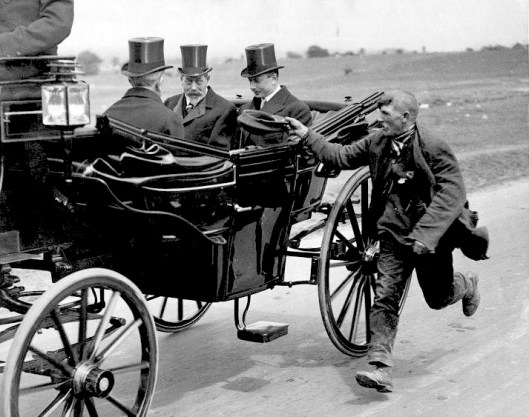
Rise like lions after slumber
In unvanquishable number
Shake your chains to earth like dew
Which in sleep has fallen on you
Ye are many – they are few
(זהו הבית האחרון במונולוג ארוך שנושאת התקווה, שאביה הוא הזמן, אל בני האדם. את הפואמה שנקראת מסיכת האנרכיה כתב פרסי שלי, משורר השייך לתנועה הרומנטית, ב-1819. הוא כתב זאת אחרי שממשלת אנגליה טבחה 80 אלף אזרחים – בני המעמד הנמוך, ביניהם אינטלקטואלים ועיתונאים, שרצו זכות בחירה וייצוג פרלמנטרי כמו המעמד העליון, העשירים).
*
כל זה כבר כאן, אני מתכוונת לשעה שאחרי הקפיטליזם. לא משנה כיצד נקרא לזה, אחרי המבול או לפניו, הדבר כבר כאן. הזמן הזה הגיע עוד לפני שהתחלנו לחשוב עליו במונחים כאלה. כאלה הן תנועות גדולות היסטוריות, מתחילות במקום לא נראה לעין ומעט מעט מתחוור שאנשים חיים כבר את הפרדיגמה הבאה. לקפיטליזם לקח מאות שנים לקבל שם ומערכת סדורה של ערכים עד שפרץ במאה ה-18 לחיינו והסדר החברתי-כלכלי החדש עושה דרכו באותה צורה. אני מאמינה שיותר ויותר מאיתנו יזכו לחיות אותו, יש בינינו שחיים בו כבר עכשיו.
אבל אתחיל מהתחלה. כשחשבתי כיצד לכתוב על השלב הבא אחרי קפיטליזם, מיד דמיינתי את הקפיטליסט האחרון שיישאר כאן. בדמיוני הוא יצא ממחילה תחת האדמה לעולם חרב, דומה כנראה למה שעלה גם בראשם של עפרי וגל כששמו את חשרת העננים הקודרת בתמונה המתנוססת מעל הפרויקט. בכל מקרה בדמיוני הקפיטליסט האחרון יצא לעולם מלא באוויר מחניק ועשן, הביט בשמים הלבנים וטמן את ראשו בידיו בייאוש. ראשו היה מלא תכניות מפוארות אבל הוא יזם שאבד לו החומר למימוש היזמות. כלומר, בני האדם לא רצו לעבוד יותר תחת אחרים, בנקים הולאמו וכך גם חברות ביטוח, חברות מייצרות מזון, תרופות וחברות בנייה. לבסוף הולאמו גם הפייסבוק ופלטפורמות טכנולוגיות בשימוש ההמון.
כמה ריחמתי על אותו קפיטליסט אחרון, שעיניו ממצמצות מול השמש החולה של עולם כלה. דמיינתי אותו משום מה בדמותו של אדם סמית הליברל הראשון, איש אופטימי ללא תקנה, שהאמין כי מצא דרך לתעל את דחפיהם הפראיים של בני האדם למערכת הרמונית של שגשוג. כמו הקפיטליסט האחרון שלי הוא האמין כי אין גבול לתושיית הבריות ולמשאבי הטבע, ושבהינתן חופש לבני האדם, יד נעלמה ומיטיבה תבטיח איזון בין צרכים, תיאום בין ביקוש להיצע ושלום ואחווה בין אינטרסים שונים.
רק שהבדל עצום היה בין הקפיטליסט הראשון לקפיטליסט האחרון שחזיתי בדמיוני. והדבר היה שברון הלב של האחרון. כי הוא היה עד להתפוררות התקווה שברעיון של הקפיטליזם, עד לחרחורי גסיסה אלימים וארוכים של מערכות ענק עולמיות ולעלייה מבעיתה של פיאודליזם דורסני של בעלי הון ובירוקרטיה ממשלתית שטנית. יותר מכל היה עד להתנפצות שיוויון ההזדמנויות שהבטיח הקפיטליזם. בעיני רוחי הקפיטליסט האחרון היה בן למעמד חסרי הקניין. מלכתחילה לא היה לו סיכוי, אבל גם אחרי שיצא מאותה מחילה לא ידע זאת.
מוזר בעיניי שהאינסטינקט הראשוני שלי היה לתאר עולם הרוס כל כך בלי קפיטליזם. בניגוד לכל האמונות שאני מחזיקה בהן, מחשבותיי המרו את רצוני ויצאו במחול שדים נגדי. אני מניחה שהדבר נבע גם מהעובדה שנותר לי מה להפסיד אם הקפיטליזם ייעלם ושהמחשבה על כך עוררה בי פאניקה. בעצם נסחפתי לחשוב על טרגדיה המונית, כזו שחברות ענק מנסות בדרך כלל לשווק לציבור כדי שיגלח להן חובות. המוני בני האדם חסרי התודעה הקפיטליסטית נראו לי לפתע מאיימים מאוד, בדיוק כפי שכרגע ההמון בעל התודעה הקפיטליסטית נראה לי מאיים מאוד.
מאיים אבל לפחות המון שמסודר במערכת כלשהי, חשבתי, דפוקה ועקומה ככל שתהיה. כמובן שמאחורי המחשבה הזאת רובצת מערכת אמונות מערבית: הוגי הסדר הקפיטליסטי האמינו שהאדם הוא יציר תשוקות מגונות, שכוחות הרס מנהלים אותו וכי יש צורך לנתב את תשוקותיו ההרסניות למערכות חברתיות נוקשות. תאוות הבצע נראתה לכמה הוגים במאה ה-18 כמו דחף שאם ירתמו אותו לטובת החברה – בני האדם ייצאו נשכרים ממנו. כך תאוות בצע עברה מכבסת מילים והוסבה לאינטרס עצמי, למיקסום רווח ולצירופי מילים מוכרים נוספות עד ששוב התגלתה בדיסקורס של הקפיטליזם אצל מילטון פרידמן וגם אצל ברוני הקפיטליזם הגדולים בסוף שנות ה-90 של המאה הקודמת.
לפי האידיאולוגיה המקובלת של הכלכלה הנאו-קלסית, בני האדם רוצים כסף, ומאחר שלקפיטליזם אין גבולות והשוק החופשי לכאורה מתרחב בלי סוף, הרי שבני אדם הלכה למעשה רוצים כסף בלי סוף. אפשר לראות את הפרדיגמות הללו בניסויים בתורת המשחקים, תחום משותף לכלכלה ולפסיכולוגיה שמנסה לעקוב אחר המניעים האנושיים הפועלים בחיים הכלכליים. בניסויים האלה ההוראה שמקבלים המשתתפים היא למקסם את רווחיהם. כל התופעות הפסיכולוגיות של פחד, תחרות, תאוות בצע ואנוכיות יכולים להיות מוסברים תחת הארטיפקט הזה, אבל בתרבות הקפיטליסטית כל אלה מוצגות כתכונות אנושיות יסודיות. אל שיתוף פעולה ועזרה לזולת מתייחסים כאן בחשדנות.
מערכת שבאה להחליף את הקפיטליזם חייבת להתייחס למבנה הפסיכולוגי שהמערכת הנוכחית מניחה כאל מובן מאליו. מערכת אחרת תתחיל לכן מהגדרתו של מבנה פסיכולוגי אחר, מתשוקה מרכזית אחרת, חשבתי. ואז חשבתי גם על השאלה איפה התשוקה שלי נמצאת. התשובה היתה שהיא לא בכסף או בצבירת רכוש או במיקסום רווחיי. חשבתי על אנשים רבים שאני מכירה ושדומים לי בזה, העברתי בראשי את אופן החיים שלהם, שלנו, שנגזר מתוך תשוקות אחרות והבנתי שאין לי צורך בתרחישים דמיוניים של אחרי הקפיטליזם. אנחנו חיים כבר את ההווה המהפכני ששלוח כחץ אל העתיד, ושאליו עתידים להצטרף יותר ויותר בני אדם. הם ימצאו את עצמם מחוץ למשחק הקפיטליסטי מבחירה או כי ייפלטו מתוכו.
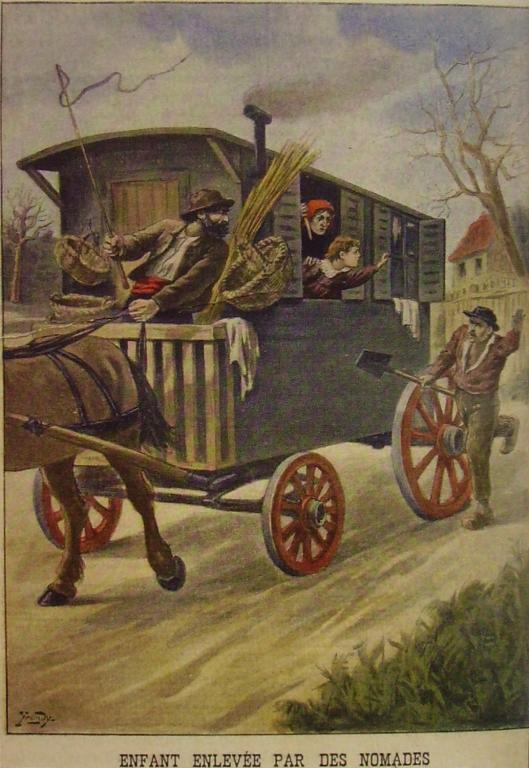
אנחנו חברת נוודים עירונית. כדאי להתחיל מזה כשמתארים את העולם אחרי הקפיטליזם. אין לנו בית משלנו. המערכת הכלכלית הישנה הקפיטליסטית, כפי שהיא, לא יכלה לאפשר לנו להחזיק ברעיון רכישת דירה ויותר מזה אפילו לא יכלה לאפשר לנו להחזיק ברעיון של מגורי קבע. אין שכירויות ארוכות טווח והגנה לשוכרים כך שעלינו להיות נוודים. אם יש הבדל מעמדי בולט אחד בעיניי בתקופת הזאת, במעבר בין הכלכלה הישנה לחדשה, הוא בין הנוודים ליושבי הקבע. מדובר על הבדלים מעמדיים אפילו בין בני אותה משפחה במרחק של דור אחד. זהו הבדל מהותי ועתיק ומובלט גם בתנ”ך בסיפור קין והבל למשל; נגזרו ממנו תכונות אופי אחרות, יעדים אחרים וגורל אחר.
התודעה הנוודית מייצרת באופן טבעי מבט מנוכר כלפי רכוש וכלפי אופני הבעלות בכלל. היא מייצרת גם מבט מפוכח אל התקוות והכמיהות למגורי קבע ולדרכים לממש אותן. צריך להבין כי בחברה הקפיטליסטית הישנה צבירת הון מסומנת כהצלחה, הבעלות על קניין מסומנת כהצלחה, ריבוי מסומן כהצלחה. לכן הנוודות היא כישלון בחברה הזאת. כדי לצאת מהכישלון הזה ולספק את היצר של הבעלות על רכוש וצבירתו, המערכת הקפיטליסטית מסמנת את עולם העבודה כפיתרון. לא משנה כעת אם העבודה יצרנית או לא – האתוס הכלכלי הישן אומר שאם נעבוד ונתאמץ נוכל להגיע למעמד הנכסף של יושבי הקבע. בכלכלה הגלובלית אגב מדובר על יושבי קבע במובן הגלובלי – בבחינת בכל מקום בעולם יכול להיות לי בית.
עבודה אם כן כמסלול תנועה לינארי בעולם הישן כדי להבטיח יציאה מהארעי אל הקבוע ואז אל הקבוע הגדול יותר ויותר. אבל הבטחתו של מסלול כזה בתקופת המעבר למצב הכלכלי הבא – היא שקר גס. מחוץ לכמה מובלעות מסוימות בעולם הישן עבודה אינה מקיימת את בני האדם – אותנו. המחיר שמשולם על המשאב העיקרי שקיים ברשות כל אדם, הזמן, נעשה זול ומגוחך. ואילו האדם נתבע לשלם מחירים שערורייתיים על היטמעותו בשוק העבודה הקפיטליסטי – מבחינה חברתית ונפשית.
נוסף לזה העבודה כפי שהכרנו אותה נעלמת. היא מתכווצת כל הזמן, יותר אנשים מובטלים, מפוטרים ומושלכים ממנה מרגע לרגע ובשרירותיות. עבודה כפי שנראית בעולם הישן אינה מייצרת הווה או עתיד כלכלי עבורנו ואנחנו יודעים את זה. לכן העבודה מחזקת את תנועת הנוודות. לכן יש לנו ציפיות נמוכות – עבודה אמורה לספק כסף בהווה הארעי עבור קורת גג, מזון וצרכים בסיסיים כמו ביגוד, טיפולי שיניים וטיפול נפשי לאלה שמאמינים בו. זו עבודה שיש להרוויח בה את הכסף לתנאי המחייה הבסיסיים.

מחוץ לעבודה המפרנסת קיימת עבודה נוספת. זו עבודה שאין לה שוק בעולם הישן. אין לה ביקוש. זו עבודת החיים שלנו, עבודת הנשמה, הייעוד לשמו הגענו לעולם או בפשטות ההתנסות שאותה אנחנו מחפשים. זו יכולה להיות כתיבת שירה, פרוזה, העלאת רעיונות מתקדמים וקריאה. זו יכולה להיות עבודה אינטלקטואלית במסגרת אוניברסיטאית או עצמאית, נגינה וזמרה, זו יכולה להיות אמנות מכל סוג שהוא. זו יכולה להיות עבודה חברתית, טיפולית, הוראה או הורות. המשותף לכל העבודות הללו שהן לא יכולות לפרנס אותנו, הן לא משתלמות כלכלית אלא במקרים חריגים וברי מזל, ובכל זאת אנחנו נעשה אותן בין כה וכה בדבקות.
במונחים של העולם הקפיטליסטי דווקא זו ה”קריירה” שלנו; שלא כמו בעולם הישן ה”קריירה” שלנו דווקא לא מכניסה כסף ומסלול ההתפתחות בה כלל לא מבטיח תגמולים כלכליים. שלא כמו בעולם הישן (אלא אם נולדנו למעמד בעלי הקניין) עלינו לתמוך ב”קריירה” שלנו בעבודה נוספת אחת לפחות, שעדיין יש בה שכר, מהזן שתואר למעלה. אם להיות מדויקת, במונחי העולם הישן, הפרנסה היא התחביב שלנו – אך כזה שלא ניתן להיפטר ממנו.
אם ככה, אנחנו יצרניים אבל האינטרס הכלכלי שלנו נופל ומתמוטט מול תשוקות אחרות שחיות בנו. אם המעשה הרציונלי בעולם הישן היה למקסם את פוטנציאל רווחיך בעבודה קשה, הרי המעשה הרציונאלי עבורנו (אם למושג רציונאלי יש עוד משמעות עבורנו) הוא למקסם את פוטנציאל הזמן, להביאו לידי מיצוי עבור מה שאנחנו מזהים כחשוב ומספק. עבודה, כל עבודה, שהיא אינה כלי לביטוי עצמי או מכוונת באופן קונקרטי עבור טובתם של אחרים אינה חשובה מספיק. צריך לשים לב שאני מתארת כאן מבנה נפשי שונה מאוד מזה שמניחה המערכת הקפיטליסטית על החברים בה. המערכת הבאה תצטרך לתמוך במבנה הנפשי הזה באופן מוסדי.
התודעה הנוודית של העולם אחרי הקפיטליזם, עולם המעבר, מייצרת אסתטיקה מסוימת. למשל ריבוי כותבי השירה בעשר השנים האחרונות בישראל, כפי שהיטיב לזהות זאת ידידי אריק גלסנר, הוא ריאקציה לשוק העבודה הקפיטליסטי. לדעתי זהו גם סממן לחברה הנוודית המתפתחת. שירה היא כלי אמנותי של נוודים נפשיים או נוודים במובן הפיזי. שירה לא דורשת אמצעי ייצור שאחרת היו כובלים אותה למערכת הישנה המתמוטטת, והיא יכולה להיות מועברת בעל פה ובקצרה יחסית בכל מקום. השירה גם מייצרת קהילות שחוזקן מצוי בזה שהן סובבות סביב המבעים האסתטיים הפנימיים והאישים של החברות בהם ונותנות להם תוקף והערכה. לא במקרה משוררות ומשוררים רבים חיים כבר עכשיו את היום שאחרי הקפיטליזם. אפשר למצוא מבעים אסתטיים נוספים לנוודים: אני יכולה לחשוב כרגע על בגדי יד שנייה, רהיטים ישנים. ובכלל, בכל הקשר מדובר על אסתטיקה שבה מרבים להשתמש וממעטים לרכוש. אני מניחה כשאלה פתוחה את המקום של הקוד הפתוח והאינטרנט במצב הנוודות וכמצב אסתטי; האם הפס הרחב הוא ישוב הקבע שלנו או פלטפורמה נוודית מסוג אחר, אילו אפשרויות אסתטיות חדשות הוא מייצר, האם עלינו לדאוג מכליונו ובאילו תנאים יוכל לשרוד בכלכלה החדשה?
28 Friday Oct 2016
Posted in Uncategorized
On the blue summer evenings, I shall go down the paths,
Getting pricked by the corn, crushing the short grass:
In a dream I shall feel its coolness on my feet.
I shall let the wind bathe my bare head.
I shall not speak, I shall think about nothing:
But endless love will mount in my soul;
And I shall travel far, very far, like a gipsy,
Through the countryside – as happy as if I were with a woman.
Arthur Rimbaud
Par les soirs bleus d’été, j’irai dans les sentiers,
Picoté par les blés, fouler l’herbe menue :
Rêveur, j’en sentirai la fraîcheur à mes pieds.
Je laisserai le vent baigner ma tête nue.
Je ne parlerai pas, je ne penserai rien,
Mais l’amour infini me montera dans l’âme ;
Et j’irai loin, bien loin, comme un bohémien,
Par la Nature, heureux- comme avec une femme.
Arthur Rimbaud
25 Thursday Aug 2016
Posted in Uncategorized
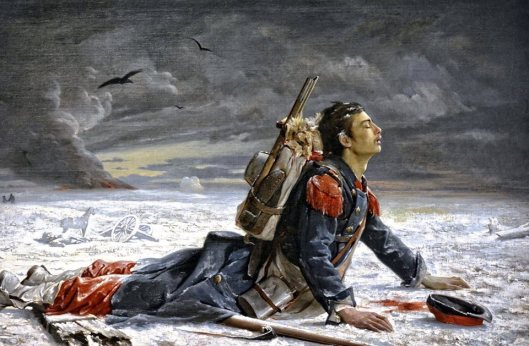
Painting from Emile BETSELLERE
“Our leaders strain every nerve and with success, to get the next war going, while the rest of us, meanwhile, dance the fox trot, earn money and eat chocolates…And perhaps…it has always been the same and always will be, and what is called history at school, and all we learn by heart there about heroes and geniuses and great deeds and fine emotions, is all nothing but a swindle invented by the schoolmasters for educational reasons to keep children occupied for a given number of years. It has always been so and always will be. Time and the world, money and power belong to the small people and shallow people. To the rest, to the real men belongs nothing…eternity…it isn’t fame. Fame exists in that sense only for the schoolmasters. No, it isn’t fame. It is what I call eternity…The music of Mozart belongs there and the poetry of your great poets. The saints, too, belong there, who have worked wonders and suffered martyrdom and given a great example to men. But the image of every true act, the strength of every true feeling, belongs to eternity just as much, even though no one knows of it or sees it or records it or hands it down to posterity. In eternity there is no posterity…It is the kingdom on the other side of time and appearances. It is there we belong. There is our home. It is that which our heart strives for…And we have no one to guide us. Our only guide is our homesickness.”
Hermann Hesse


You must be logged in to post a comment.