Dans les allées qui montent d’autres descendent imperceptiblement. Longent des parois, parfois des surfaces plus étendues, creusées à leur fond. Double mouvement. Fluidifier : d’une écriture qui prend au corps et d’une écriture, qui donne la distance, qui stabilise. Double mouvement dont les termes se diluent. Du point fort éloigné d’une courbe, une île fendue. Une ligne droite très fracturée, Rapproche de ma plus petite distance. Dans le cercle mon être s’arrodit , rencontre réseau de plis. Le monde sonore, non-visitable, sa source, proche, multipliée. Son que je ne peux inverser déplie les fragments, les détache de leur boucle, de leur forclusion. Rêve une forme longue.
Shadows draw light, light draws shadows, flowers wash memories. In the caves the subtracting machines are full, in the sky the colonies of autopilots satellites cross the switching screens of a sleeping robot.
L’horizon départage ciel et terre, sans être ni l’un ni l’autre, n’existe que dans le regard. Vide, essaim de centres éclairs entre chutes verticales. Tout est la même chose, l’Un, le début, ce dont on s’éloigne divisé. Le reste, un fond sans limite. Au moment où la quête réalise son dessein, les éléments du nouvel ordre constitué ont déjà perdu toute nécessité. À s’acharner le monde nu s’entre-dévore. Puissance égale entre pensée et parole . Le barbarisme contrarié par son visage qu’il considérait n’être pas le sien. L’absence de sève qui nous sort de la mécanique verbale est rumination vide. Les épaisseurs de lierre retiennent les pierres du mur de Ponty. On déambule parmi quelques-unes roulées au sol, nous habitons dans le musée des fouilles. Vouloir la logique dans l’incohérence des images rêvées. Il est vain d’inventer les gestes nécessaires pour mieux traverser la rivière quand la crue emportera le pont. La pensée ne cesse de faire du lien à partir de la première symbolique. Pourtant on ne peut pas dire à quoi on pense puisque c’est avec le perdu qu’on pense. Le mouvement intentionnel fait paraitre le corps subjectif.
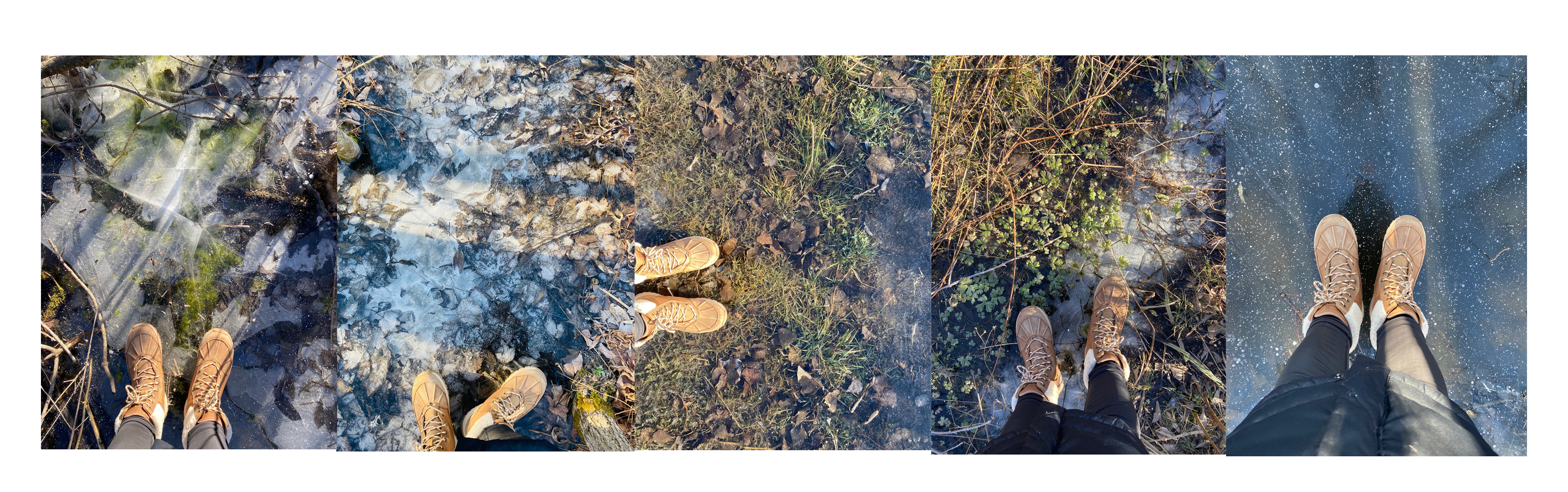
Take long walks in stormy weather or through deep snows in the fields and woods, if you would keep your spirits up. Deal with brute nature. Be cold and hungry and weary…(…) In this lonely glen, with its brook draining the slopes, its creased ice and crystals of all hues, where the spruces and hemlocks stand up on either side, and the rush and sere wild oats in the rivulet itself, our lives are more serene and worthy to contemplate. HenryDavid Thoreau.
When you start tuning in to winter, you realise that we live through a thousand winters in our lives — some big, some small… Some winters creep up on us so slowly that they have infiltrated every part of our lives before we truly feel them. […] To get better at wintering, we need to address our very notion of time. We tend to imagine that our lives are linear, but they are in fact cyclical…(…) This is a brutal untruth. Life meanders like a path through the woods. We have seasons when we flourish and seasons when the leaves fall from us, revealing our bare bones. Given time, they grow again.
“Some people use language as a mask. And some want to create designed language that appears to reveal them but does not.”
“The creation of language is the creation of a fiction. The minute we speak we are in that fiction. It’s a fiction designed, we hope, to reveal a truth. There is no “pure” language. The only “pure language” is the initial sounds of a baby. All of us lose that purity, and as we get more “of” the world, we even lose sometimes the capacity to keep that breath moving in our language…(…) We can learn a lot about a person in the very moment that language fails them. In the very moment that they have to be more creative than they would have imagined in order to communicate. It’s the very moment that they have to dig deeper than the surface to find words, and at the same time, it’s a moment when they want to communicate very badly. They’re digging deep and projecting out at the same time…(…)Speaking calls for risk, speaking calls for a sense of what one has to lose. Not just what one has to gain.”Anna Deavere Smith
“if you wanted to drown you could, but you don’t because finally after all this struggle and all these years you simply don’t want to any more, you’ve simply had enough of drowning and you want to live and you want to love” David Whyte
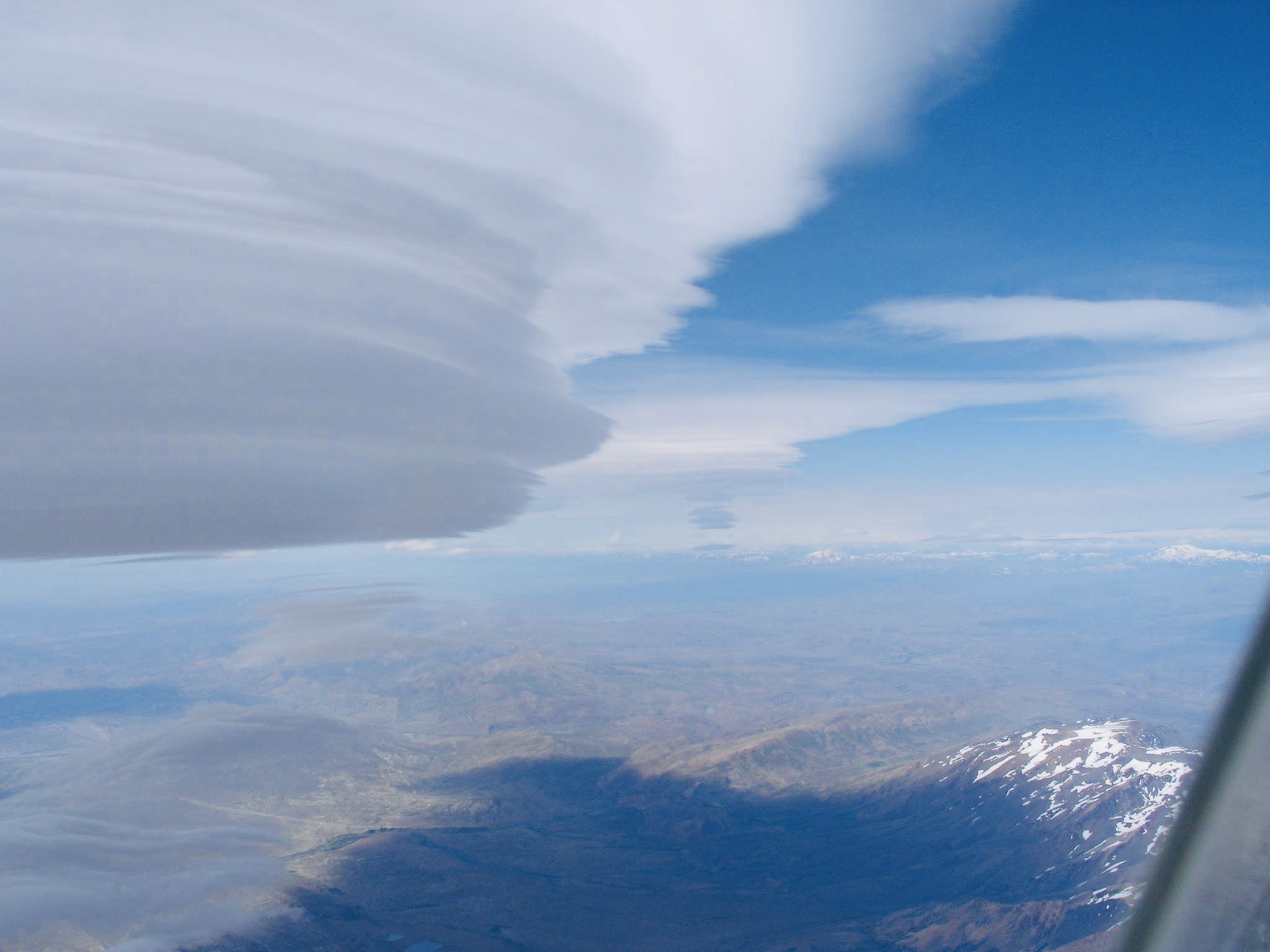
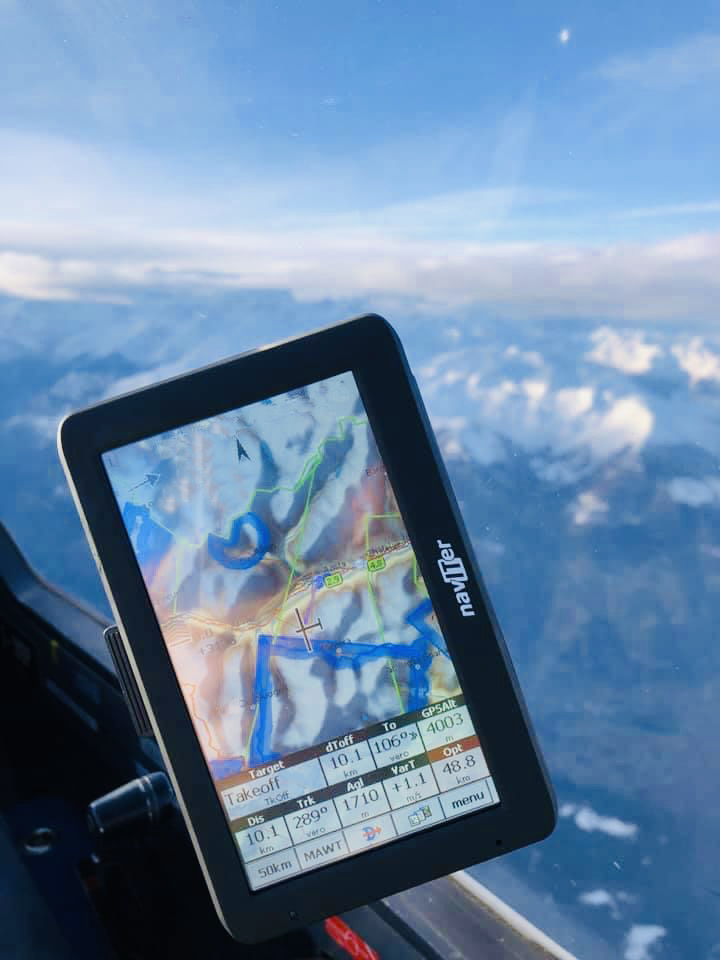
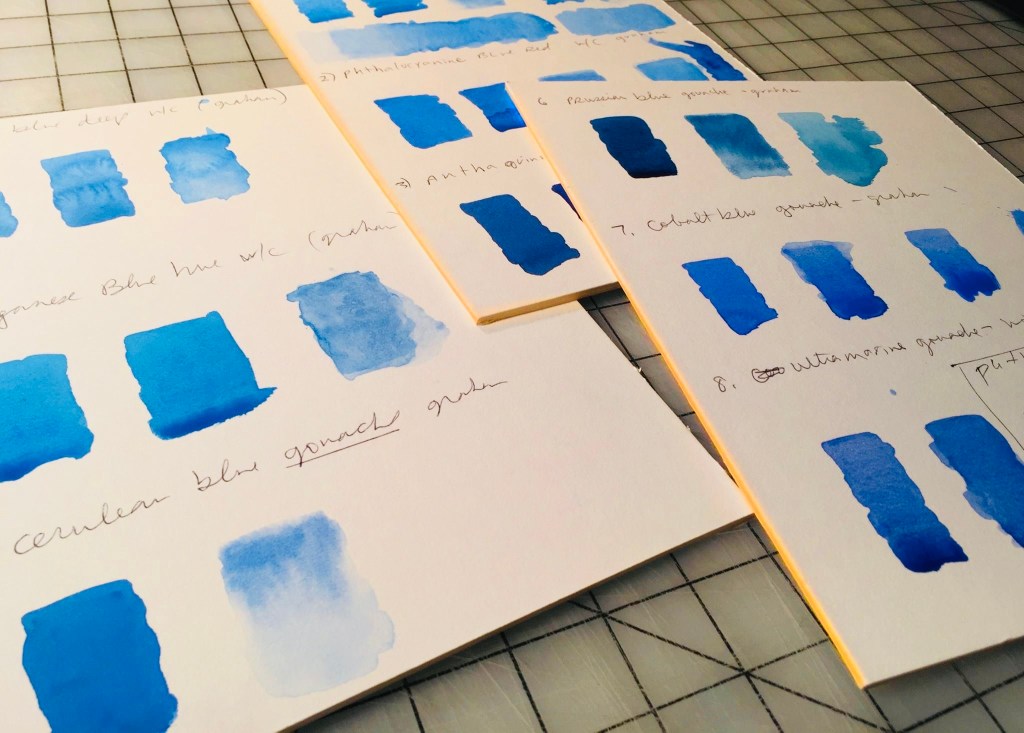
The world is blue at its edges and in its depths. This blue is the light that got lost. Light at the blue end of the spectrum does not travel the whole distance from the sun to us. It disperses among the molecules of the air, it scatters in water. Water is colorless, shallow water appears to be the color of whatever lies underneath it, but deep water is full of this scattered light, the purer the water the deeper the blue. The sky is blue for the same reason, but the blue at the horizon, the blue of land that seems to be dissolving into the sky, is a deeper, dreamier, melancholy blue, the blue at the farthest reaches of the places where you see for miles, the blue of distance. This light that does not touch us, does not travel the whole distance, the light that gets lost, gives us the beauty of the world, so much of which is in the color blue.
For many years, I have been moved by the blue at the far edge of what can be seen, that color of horizons, of remote mountain ranges, of anything far away. The color of that distance is the color of an emotion, the color of solitude and of desire, the color of there seen from here, the color of where you are not. And the color of where you can never go. For the blue is not in the place those miles away at the horizon, but in the atmospheric distance between you and the mountains. “Longing,” says the poet Robert Hass, “because desire is full of endless distances.” Blue is the color of longing for the distances you never arrive in, for the blue world. Rebecca SOLNIT.
 Selbstwehr
You must be logged in to post a comment.