“The new fascism, the consumer society, has profoundly transformed young people; it touched them in their intimacy, it gave them other feelings, other ways of thinking, of living, other cultural models. (…) Which means, ultimately, that this “civilization of consumption” is a dictatorial civilization. In short, if the word “fascism” means violence of power, the “consumer society” has indeed realized fascism. » Pasolini
“This berry represents five or six kilocalories — sugars, dietary fiber, Vitamin C. Its place here is commensurate with these values. Now, strawberries. They’re susceptible to soil fungi, nematodes. So are we, actually. You, me, everyone on this train. So we don’t let these proliferate either. Everything here survives at the mercy of his Balance. And the truth is you need Wilford’s strawberries more than he needs you.”
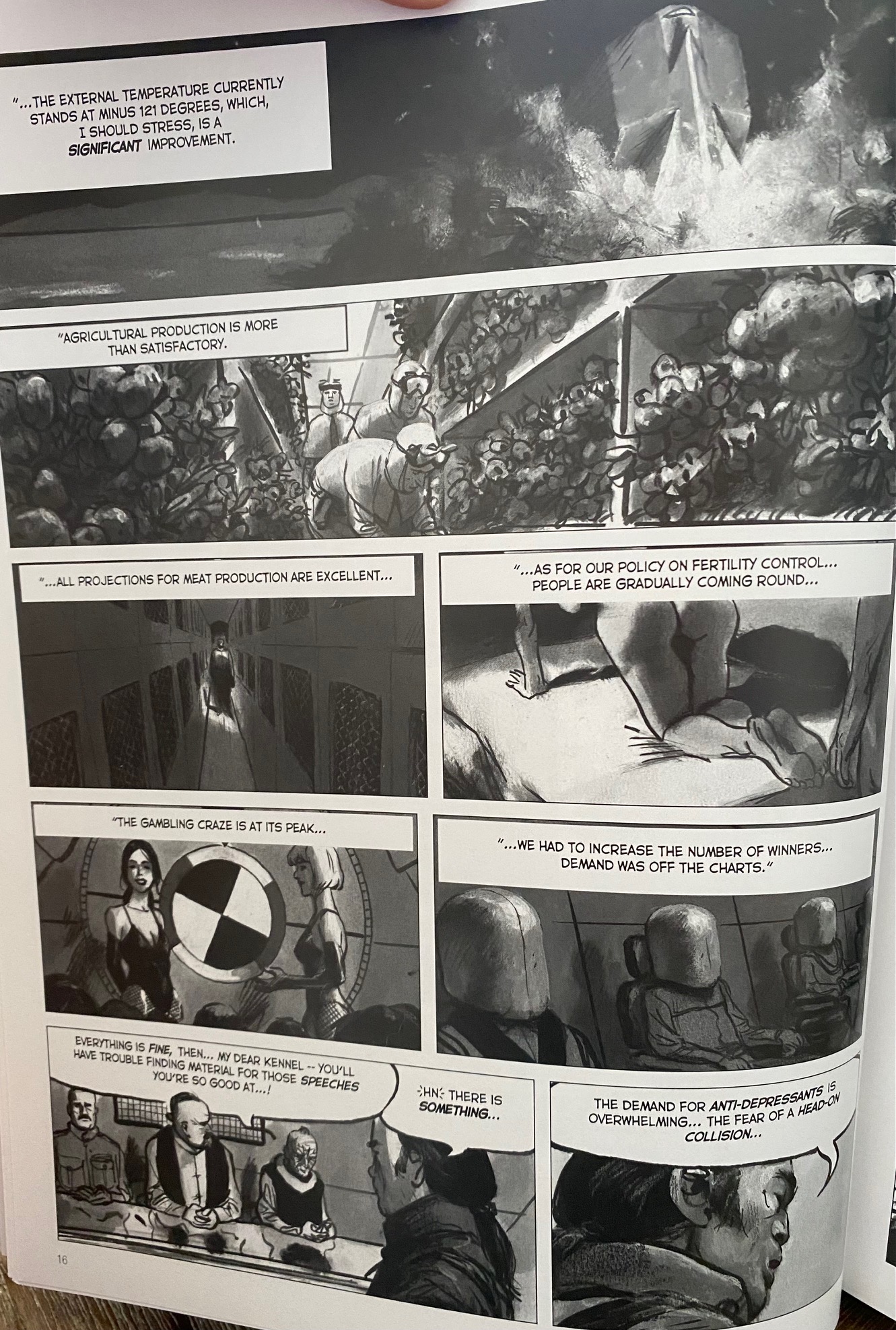
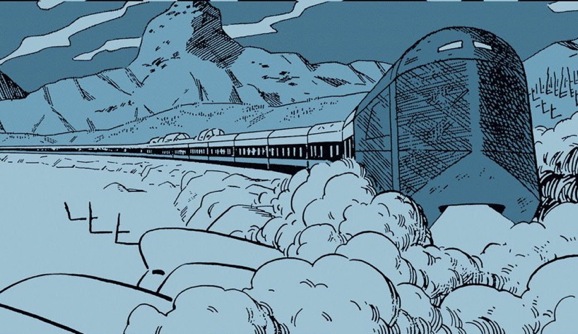
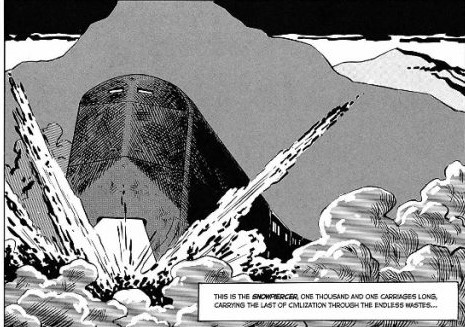
“I thought I could create a kinder, gentler world. But the train demanded otherwise. The train demanded blood. I fed her and now they will. Until we reach our final destination, everyone the same in pain and doubt. Holding our losses close on Snowpiercer, one thousand and one cars long.”
“People seem to think that those in power answer to no one. They’re free to do as they choose. It couldn’t be further from the truth. Person in power answers to everyone. I make choices. Not because I want to but because everyone demands it. The train demands it.” Melanie Cavill in the Snowpiercer
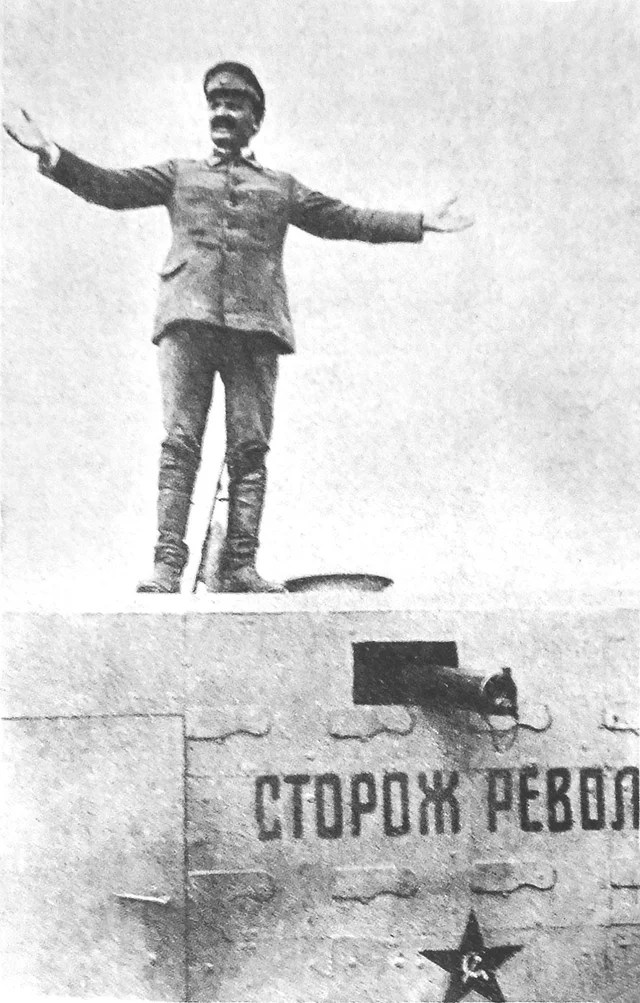
“There is a limit to the application of democratic methods. You can inquire of all the passengers as to what type of car they like to ride in, but it is impossible to question them as to whether to apply the brakes when the train is at full speed and accident threatens” TROKTSY
Between 1985-1987, Leibowitz gave a whole series of weekly talks on Galei Tsahal radio, devoted to the Parashah of the week… I would like to mention here his intervention on the Parashah Chukat, which begins with the crisis following the episode of the spying out the land and Moses baned from entering the promised land (he was not even allowed to be buried there). Many formal assumptions have been made in order to discover the reasons for this prohibition, but none of them satisfies the mind, and The Midrash based on Psalm 106:32: “They angered Him also at the waters of Meribah, and it went ill with Moses because of them” asks the following question: “Moses with what you want to enter the promised land? “: this generation that you led did not deserve to enter it and you want to enter it? A shepherd whose flock has been devoured by wild beasts, can he say “I am coming home?”.In other words, the leader bears the fault of his generation, of all the faults committed under his authority, even if he himself from the moral or legal point of view is not responsible. A concept of honor similar to the captain of a sinking ship, who had no right to try to save his life until all his sailors were rescued. He had to sink with his ship.
I am quoting here Leibowitz: “In today’s vocabulary and sociopolitical reality, we call this code of honor, ministerial responsibility, of which the fate of Moses provides us with the example in the form of a paradigm. But it is a conception that we are now lacking. Which says a lot about the quality of our leaders. We are now ruled by men without any personal honor, leaders who seek their salvation on the account of crimes, sins, omissions, errors, committed by their subordinates, having acted under cover of their authority. This is in contrast to this faithful shepherd that the children of Israel knew. When they perished through their own fault, he, who for his part had committed no fault, perished with them.


 Selbstwehr
You must be logged in to post a comment.