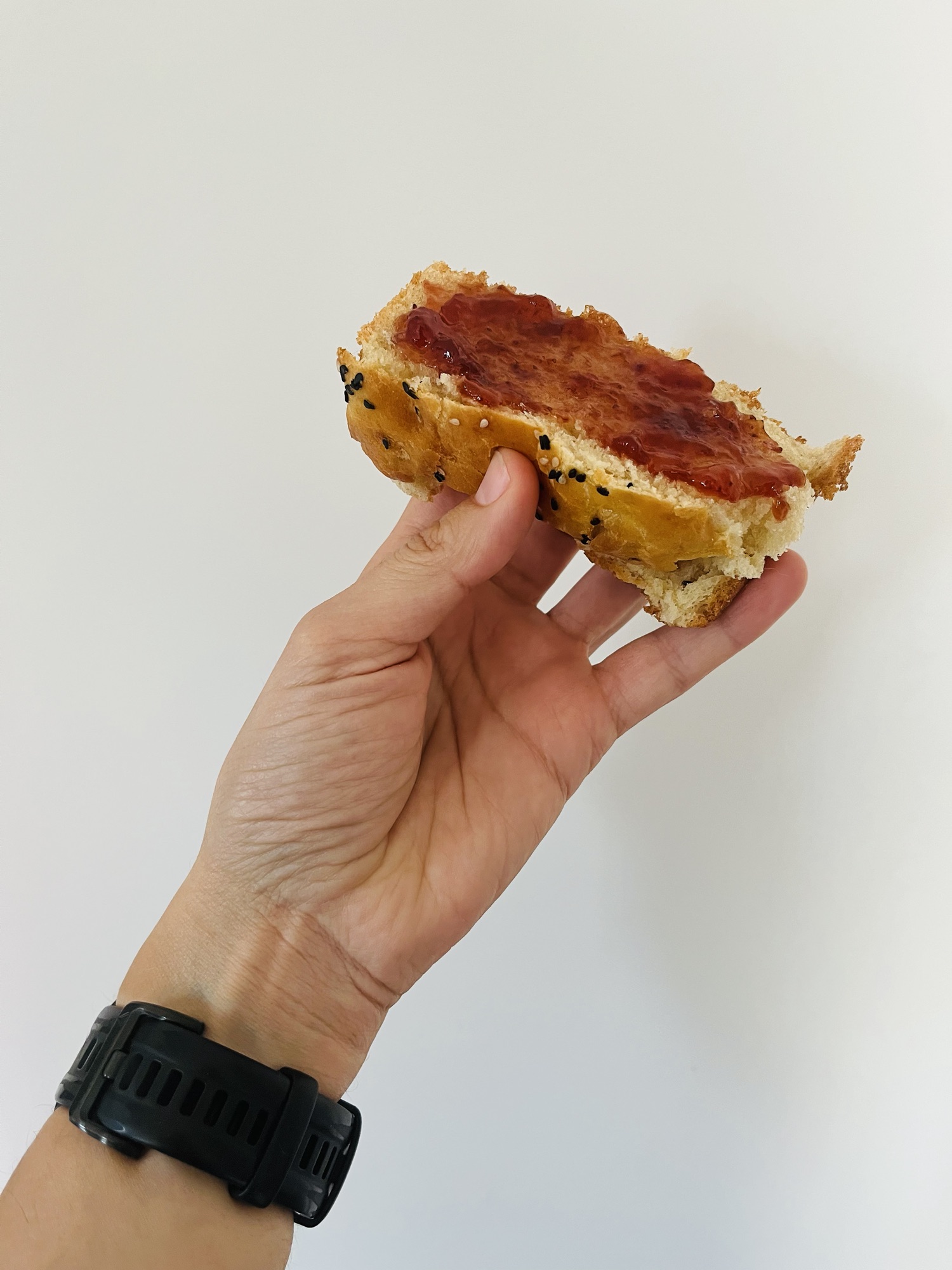
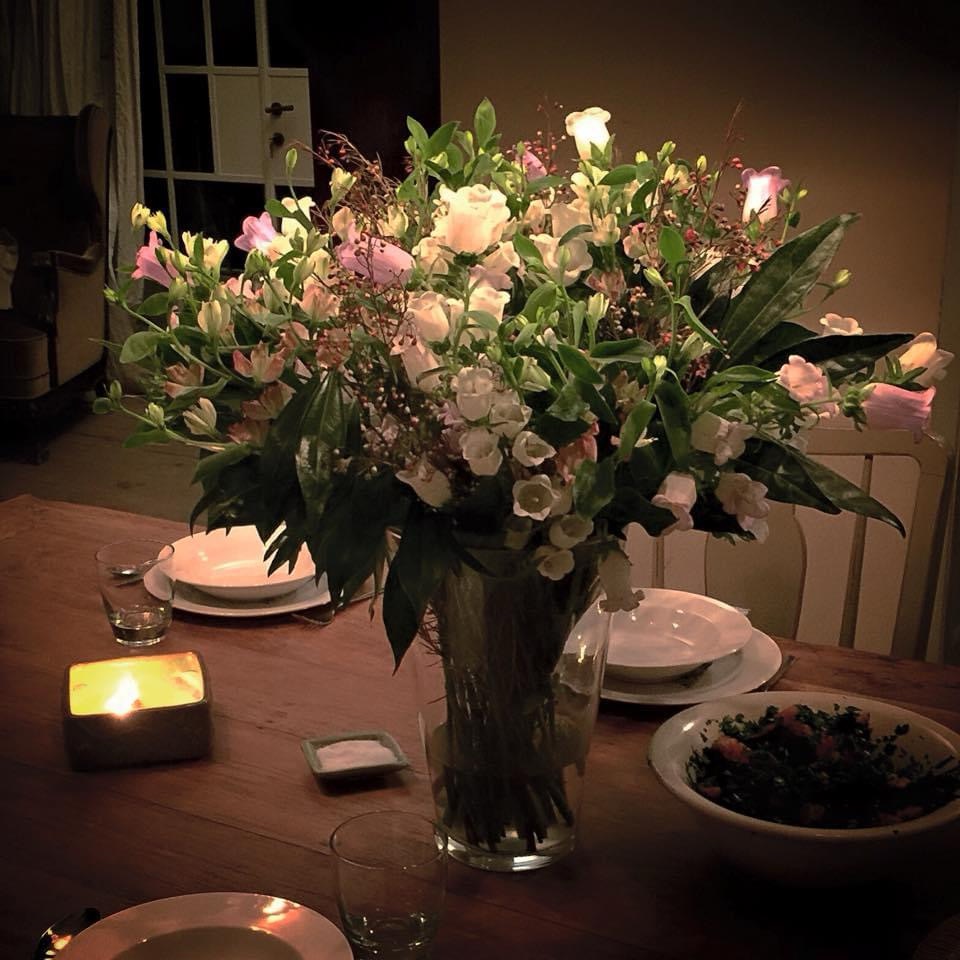
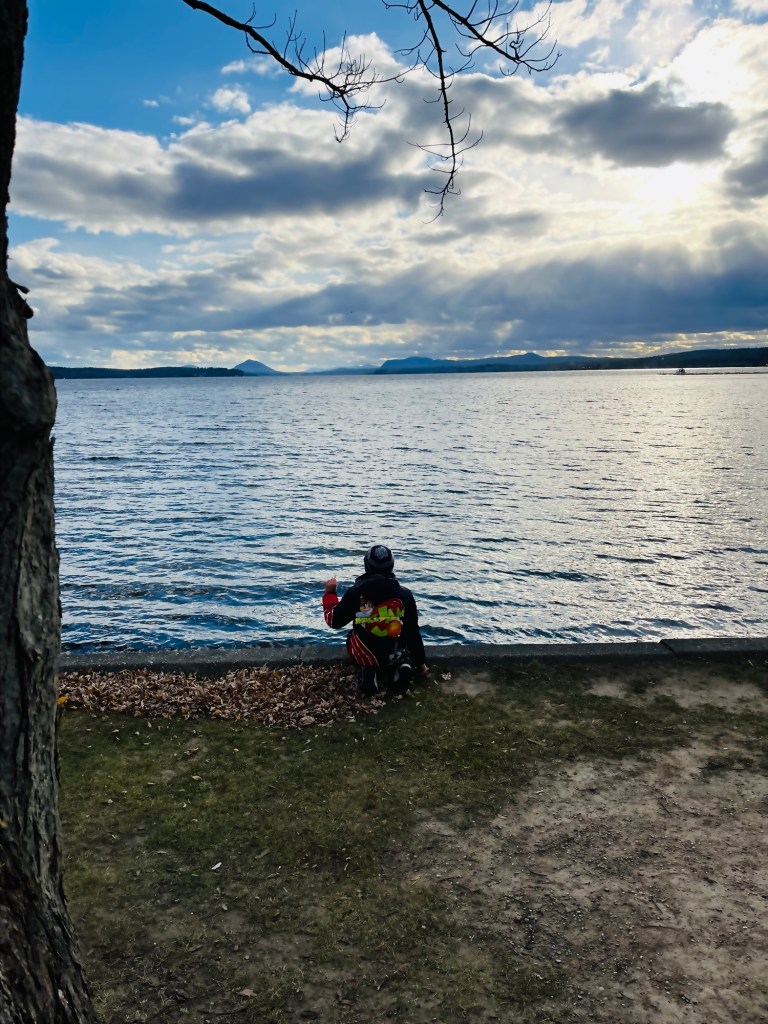
« Depuis la deuxième moitié du mois d’août, les plantes avaient la moue gavée des lendemains d’orgie. La force vitale que j’avais sentie contenue en toute chose était en train de se transformer en lourdeur. Sans le savoir, je voyais se révéler à moi l’une des lois les plus effrayantes de l’univers : ce qui n’avance pas recule. Il y a la croissance et puis il y a la décrépitude; entre les deux, il n’y a rien. L’apogée, ça n’existe pas. C’est une illusion. Ainsi, il n’y avait pas d’été. Il y avait un long printemps, une montée spectaculaire des sèves et des désirs: mais dès que cette poussée était finie, c’était déjà la chute. » Amélie Nothomb
“Just like Plato’s prisoners we mistake the fleeting shadows of what we see as reality, while the true reality is an all-encompassing whole.” | Heinrich Päs
You are already that which you want to be, and your refusal to believe it is the only reason you do not see it. It is not what you want that you attract; you attract what you believe to be true.
“There is nothing more complete than a broken heart.” Kotzker Rebbe
I recently discovered a life changing idea—shvira, the Hebrew word for “brokenness.” It goes entirely against how our society usually views suffering and is wonderfully expressed in a saying by the 19th-century Chassidic sage Rabbi Menachem Mendel Morgenstern, known as the Kotzker Rebbe. “There is nothing more complete than a broken heart.” In other words, your heart is more complete now that it’s broken. How can that be?.
When a heart breaks, it breaks into pieces with cracks in between. The Kotzker Rebbe’s saying suggests that true growth takes place in the cracks between the broken shards. It’s in those spaces that your wisdom, maturity and strength can grow into beautiful imperfection. Of course, no one wants to have their heart broken. No one wants to discover that they were wrong about being loved, to lose confidence or feel like a failure. But the growth that comes from these feelings of worthlessness; pain can ultimately be greater than the pain itself.
There was a time when I tried to “fix” what had gone wrong in me, hide the scars, make myself “perfect.” That is, until I learned about shvira and the value of broken things.
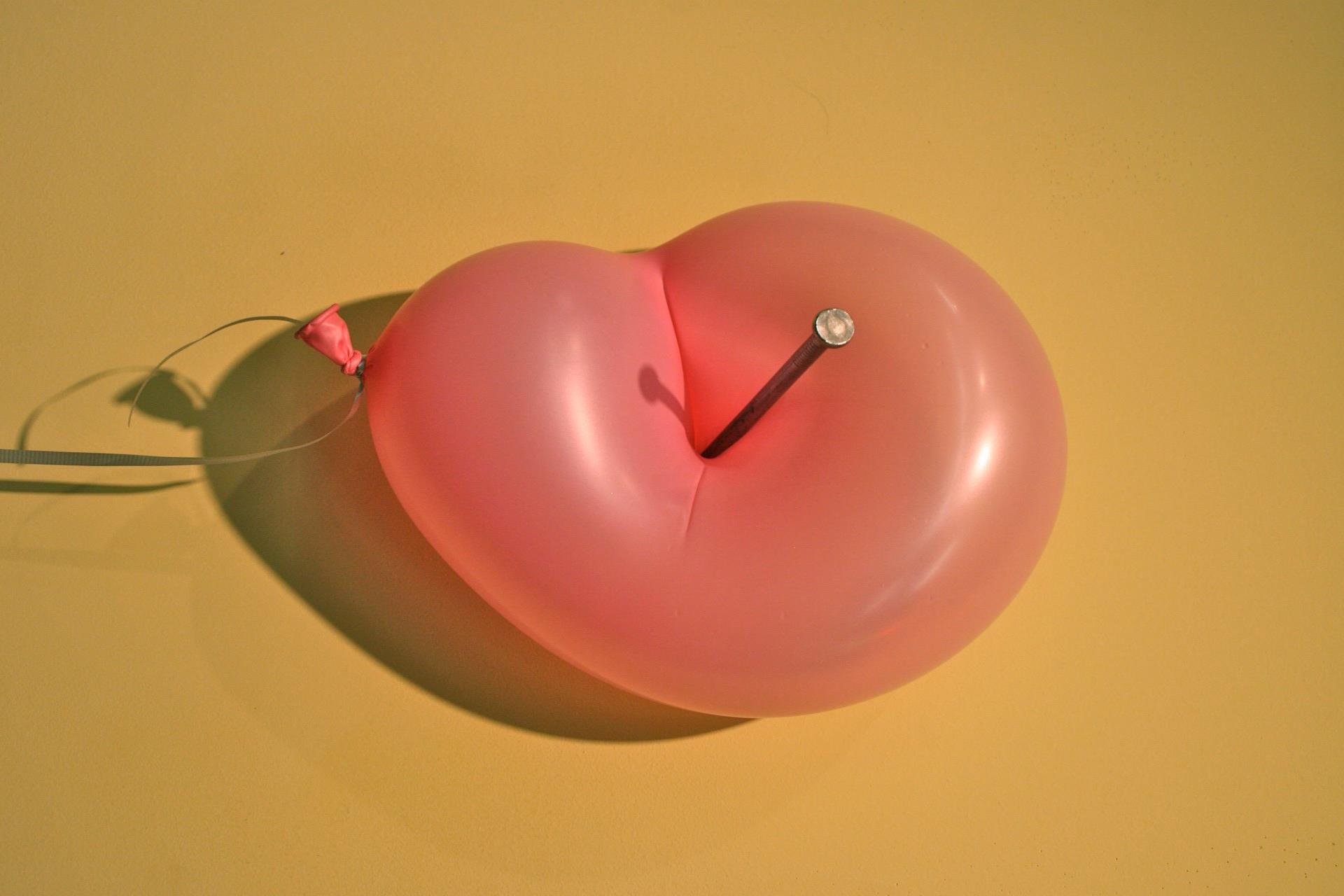
Today, I keep that chipped nail as a reminder. I won’t get rid of the torn blanket; I’ll sew it up myself. And the broken toaster? I use things like that as a doorstop or a toy. Yes, really.
Moses spent 40 days and 40 nights on Mount Sinai. The Israelites grew impatient and forged a Golden Calf. When Moses finally came down, he saw the forbidden idol and smashed the Tablets of the Law he had received from God. After reprimanding and punishing the sinners, Moses went back up the mountain and begged God to forgive the Israelites for their grave sin. He pleaded, and eventually, God agreed, granting His forgiveness. A new, second set of tablets was carved and handed to Moses by God. It was an opportunity to start again.
Lo and behold, the original tablets, which were broken into pieces, were not thrown away. In fact, they were kept alongside the new, unbroken tablets in the holiest of places: the Ark of the Covenant. They were revered and honored because they symbolized and commemorated human mistakes, as well as the opportunity to gain forgiveness.
The broken tablets were Not hidden. Not buried. Not forgotten. Instead, the shattered shards were restored to a place of honor in the Holy Ark alongside the new, restored Tablets.
Brokenness and wholeness sat side by side, as they still do today. If we don’t forgive, we lack the capacity to learn from mistakes, to repair and move forward. We resent others and ourselves. We hold on to anger for far too long.
At the end of a Jewish wedding ceremony, the groom traditionally breaks a glass by stomping on it. This can be a reminder for us that things will always break, even in the happiest of times.And those hard moments can and should be used to develop a stronger marriage. The couple must learn to accept brokenness and use it as a vehicle for growth to become even more whole.
Throughout your life, your heart will be broken in multiple, different ways—by rejection, guilt, failure, loss, shame. One heartbreak doesn’t protect you from future breaks; one shattering doesn’t prevent future pain. Yet when we get comfortable with feeling uncomfortable and accept that life was never supposed to be perfect, we allow ourselves to look at life as a grand chance to better ourselves. So while we cannot be happy all the time, it is entirely possible and natural to simultaneously carry sadness and joy, failure and forgiveness, heartbreak and hope, fear and purpose, all together inside.
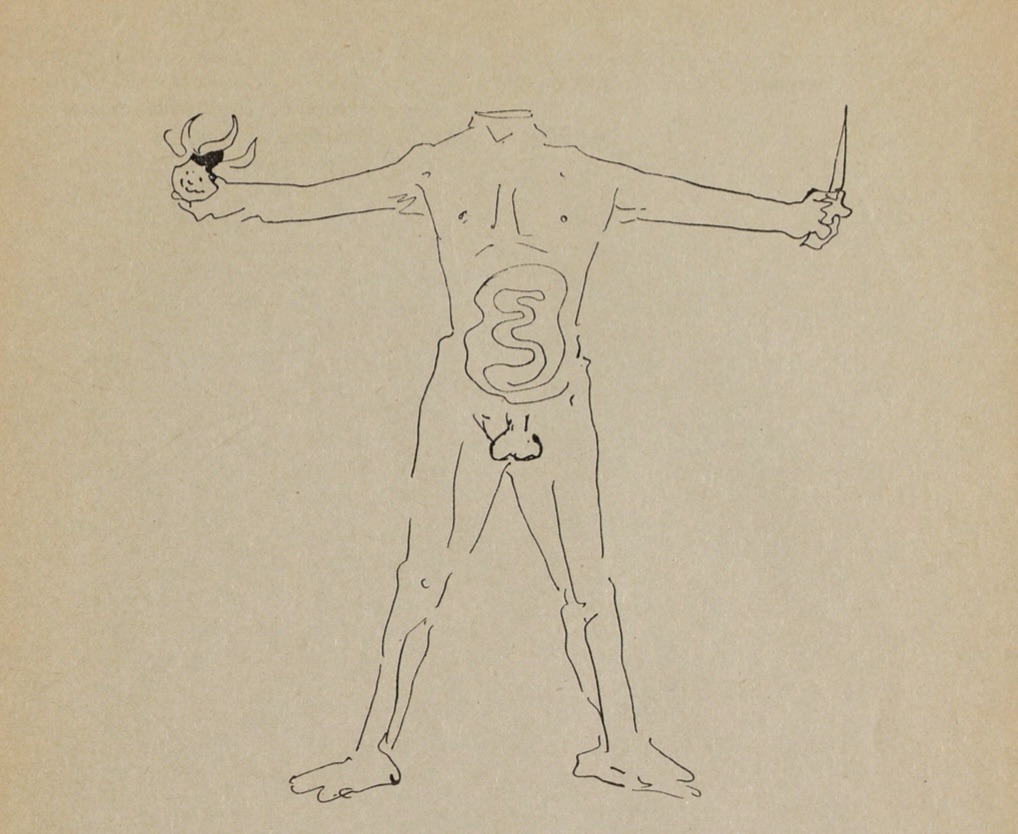
La défaite est un rôle qui lui a été donné et qu’il affectionne. S’éclipser, jouer à suivre les fantômes, avant de disparaître définitivement sans être vu (autant que possible derrière un sommet). Les miroirs sont de bons intercesseurs. C’est un rôle égoïste qui gâche et qui met beaucoup de choses de coté autour, mais de cela ne sait qu’à peine, c’est à dire rien, peut-être a t-il besoin à lui seul de cette place vide ? Il aimait beaucoup les livres les plus impossibles, regarder la lune, rêver d’un ticket pour mars, du ventre des robots, se précipiter au cheval sur la grande roue. Une fois revenu à lui, les constructions étaient inutiles, le rendaient inepte à ce monde mis à nu, futile et cruel, les constructions évanouies en marques inondées sur terrain vague dévasté. Plus il lisait, sans dépit car c’était sa tasse de thé, mieux il suivait, plus les fils se tendaient entre les siècles, plus il lisait tout en même temps, s’entortillant, se ruinant, plus le vertige le prenait, le repoussait. Pour calmer sa peur, il allait relire niché se balançant dans le recoin de la pièce : ce n’était qu’alors qu’il se rappelait, qu’il retenait, donnant des branches à sa mémoire. Il ne sait pas s’il a lu entendu ou vu que l’arbre c’était les branches, ne sait pas s’il rêve, les branches pour ainsi dire s’élevaient, soulevaient une robe autour du tronc.
(…) c’était si terrible si l’entrée du paradis était en tout semblable à celle de la mort. aller au paradis, pensait maria de graça, c’était mourir. cette idée la laissait stupéfaite, comme si, par nature, une chose en pouvait signifier une autre.
L’Apocalypse des travailleurs, Valter Hugo Mãe (Métailié)
You must be logged in to post a comment.