• About

Selbstwehr

~ Art as self defense

Daily Archives: October 23, 2024

The value of broken things

23 Wednesday Oct 2024

Posted by S/O in Uncategorized

≈ 6 Comments

“There is nothing more complete than a broken heart.” Kotzker Rebbe

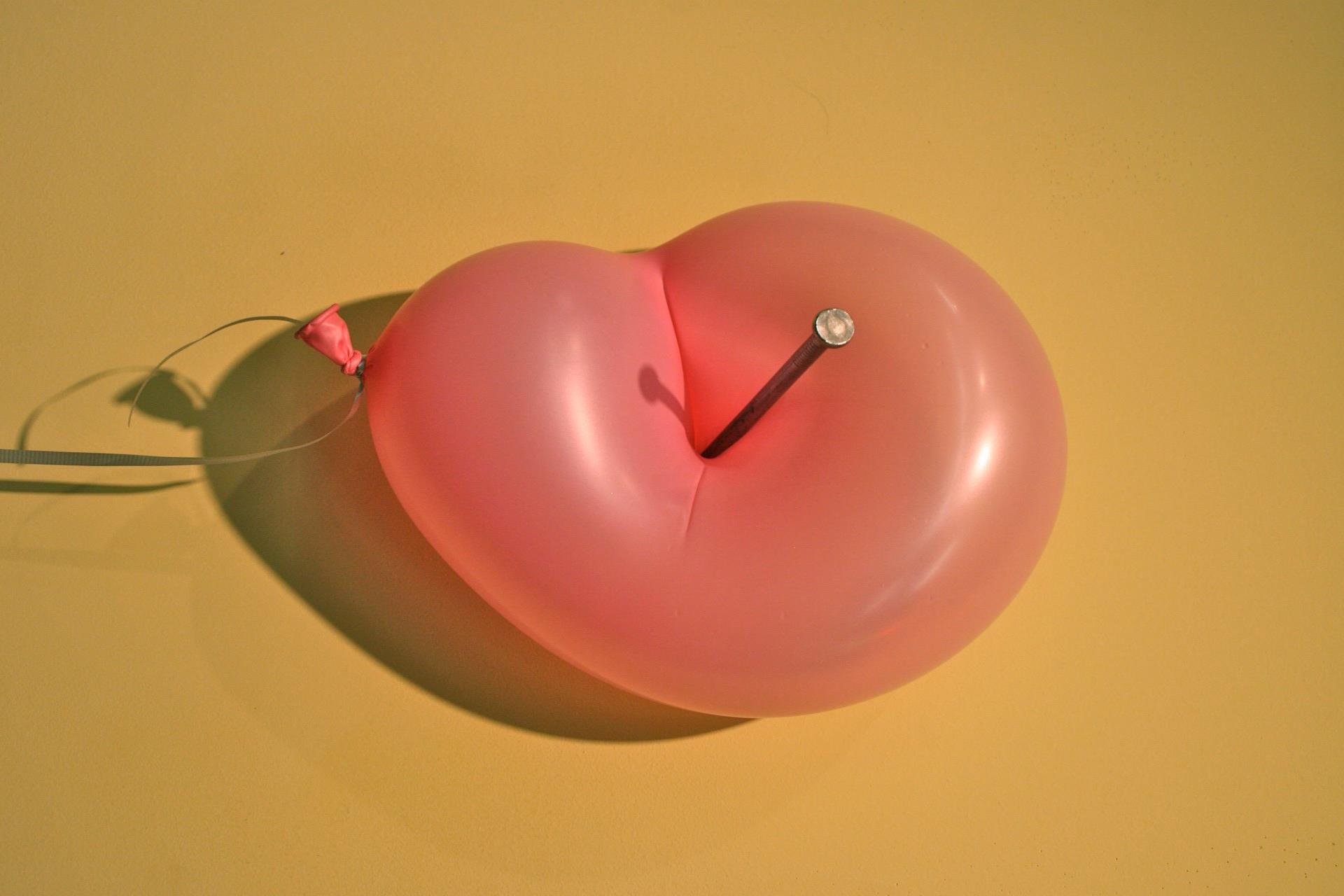
I recently discovered a life changing idea—shvira, the Hebrew word for “brokenness.” It goes entirely against how our society usually views suffering and is wonderfully expressed in a saying by the 19th-century Chassidic sage Rabbi Menachem Mendel Morgenstern, known as the Kotzker Rebbe. “There is nothing more complete than a broken heart.” In other words, your heart is more complete now that it’s broken. How can that be?.

When a heart breaks, it breaks into pieces with cracks in between. The Kotzker Rebbe’s saying suggests that true growth takes place in the cracks between the broken shards. It’s in those spaces that your wisdom, maturity and strength can grow into beautiful imperfection. Of course, no one wants to have their heart broken. No one wants to discover that they were wrong about being loved, to lose confidence or feel like a failure. But the growth that comes from these feelings of worthlessness; pain can ultimately be greater than the pain itself.

There was a time when I tried to “fix” what had gone wrong in me, hide the scars, make myself “perfect.” That is, until I learned about shvira and the value of broken things.

Today, I keep that chipped nail as a reminder. I won’t get rid of the torn blanket; I’ll sew it up myself. And the broken toaster? I use things like that as a doorstop or a toy. Yes, really.

Moses spent 40 days and 40 nights on Mount Sinai. The Israelites grew impatient and forged a Golden Calf. When Moses finally came down, he saw the forbidden idol and smashed the Tablets of the Law he had received from God. After reprimanding and punishing the sinners, Moses went back up the mountain and begged God to forgive the Israelites for their grave sin. He pleaded, and eventually, God agreed, granting His forgiveness. A new, second set of tablets was carved and handed to Moses by God. It was an opportunity to start again.

Lo and behold, the original tablets, which were broken into pieces, were not thrown away. In fact, they were kept alongside the new, unbroken tablets in the holiest of places: the Ark of the Covenant. They were revered and honored because they symbolized and commemorated human mistakes, as well as the opportunity to gain forgiveness.

The broken tablets were Not hidden. Not buried. Not forgotten. Instead, the shattered shards were restored to a place of honor in the Holy Ark alongside the new, restored Tablets.

Brokenness and wholeness sat side by side, as they still do today. If we don’t forgive, we lack the capacity to learn from mistakes, to repair and move forward. We resent others and ourselves. We hold on to anger for far too long.

At the end of a Jewish wedding ceremony, the groom traditionally breaks a glass by stomping on it. This can be a reminder for us that things will always break, even in the happiest of times. And those hard moments can and should be used to develop a stronger marriage. The couple must learn to accept brokenness and use it as a vehicle for growth to become even more whole.

Throughout your life, your heart will be broken in multiple, different ways—by rejection, guilt, failure, loss, shame. One heartbreak doesn’t protect you from future breaks; one shattering doesn’t prevent future pain. Yet when we get comfortable with feeling uncomfortable and accept that life was never supposed to be perfect, we allow ourselves to look at life as a grand chance to better ourselves. So while we cannot be happy all the time, it is entirely possible and natural to simultaneously carry sadness and joy, failure and forgiveness, heartbreak and hope, fear and purpose, all together inside.

Share this:

  • Click to share on X (Opens in new window) X
  • Click to share on Facebook (Opens in new window) Facebook
Like Loading...

Subscribe

  • Entries (RSS)
  • Comments (RSS)

Archives

  • October 2025
  • August 2025
  • June 2025
  • May 2025
  • April 2025
  • March 2025
  • February 2025
  • January 2025
  • December 2024
  • November 2024
  • October 2024
  • September 2024
  • August 2024
  • May 2024
  • April 2024
  • March 2024
  • January 2024
  • December 2023
  • November 2023
  • October 2023
  • September 2023
  • August 2023
  • July 2023
  • June 2023
  • March 2023
  • February 2023
  • January 2023
  • December 2022
  • November 2022
  • October 2022
  • September 2022
  • August 2022
  • July 2022
  • June 2022
  • May 2022
  • April 2022
  • March 2022
  • February 2022
  • January 2022
  • December 2021
  • November 2021
  • October 2021
  • August 2021
  • July 2021
  • June 2021
  • May 2021
  • April 2021
  • March 2021
  • February 2021
  • January 2021
  • December 2020
  • November 2020
  • October 2020
  • September 2020
  • August 2020
  • July 2020
  • June 2020
  • May 2020
  • February 2020
  • January 2020
  • November 2019
  • October 2019
  • June 2019
  • May 2019
  • April 2019
  • March 2019
  • February 2019
  • January 2019
  • December 2018
  • November 2018
  • October 2018
  • September 2018
  • August 2018
  • July 2018
  • June 2018
  • May 2018
  • April 2018
  • March 2018
  • February 2018
  • December 2017
  • November 2017
  • October 2017
  • September 2017
  • August 2017
  • July 2017
  • June 2017
  • May 2017
  • February 2017
  • January 2017
  • December 2016
  • November 2016
  • October 2016
  • August 2016
  • July 2016
  • June 2016
  • May 2016
  • April 2016
  • March 2016
  • February 2016
  • January 2016
  • December 2015
  • November 2015
  • October 2015
  • June 2015
  • March 2015
  • February 2015
  • January 2015
  • December 2014
  • November 2014
  • April 2014
  • March 2014
  • February 2014

Categories

  • Amichai Yéhuda
  • Analogos en Francais
  • Andreï Tarkovski
  • anti kitsch
  • Architecture
  • Art
  • Asperger
  • Aviation
  • BIG DATA
  • Biking
  • blue
  • Blue world
  • Body
  • Bohumil Hrabal
  • Charles Péguy
  • Childhood
  • Cinema
  • Concepts
  • Conceptual
  • Cosmigraphics
  • Danse
  • Dante
  • Dante Alighieri,
  • David Altmejd
  • Denis Diderot
  • DIRES
  • Duras Margueritte
  • Edmond Charlot
  • Equal
  • Exhibitions I saw
  • Fake world
  • fearful-avoidant
  • Fiodor Dostoïevski
  • From my definitions notebook
  • Genealogy
  • George Oppen
  • Giving and receiving
  • Graphic novel
  • Guy Debord
  • Hannah Arendt
  • Hanoch Levin, חנוך לוין
  • INSTRUMENTS
  • Jean Malaquais
  • Jean-Pierre Abraham
  • Jesse Glenn Gray
  • Jewish wisdom
  • Jewishness
  • Karl Marx
  • La justice des hommes
  • langage
  • Le chemin à prendre
  • leibowitz yeshayahu
  • Lighthouse
  • Louis-Ferdinand Céline
  • Maps
  • Martin Buber
  • Mathematics
  • Memory
  • Mozart assassiné
  • Panim
  • Paul Celan
  • Paul Klee
  • Philippe Muray
  • Poetry
  • Polyglot
  • ROBOTS
  • Roland Gori
  • Sadegh Hedayat
  • Scissors
  • Shabbes
  • Shapers of world history
  • Sidewalks
  • Société de spectacle
  • Spinoza
  • Sports
  • Startup stupidity
  • Tauba Auerbach
  • The Eye
  • The Light
  • Thomas Bernhard
  • To do list
  • Tolstoï et Leibowitz
  • Topophilia
  • translation
  • Trips
  • Trumpet
  • Truth
  • Uncategorized
  • Virgile
  • Walkability
  • War and peace
  • Wendell Berry
  • WHAT IS A WOMAN
  • WORDS
  • חיים נחמן ביאליק
  • יהודה עמיחי
  • ישעיהו ליבוביץ
    • ישעיהו ליבוביץ

Meta

  • Create account
  • Log in

calendar

October 2024
M T W T F S S
 123456
78910111213
14151617181920
21222324252627
28293031  
« Sep   Nov »

Blog at WordPress.com.

  • Subscribe Subscribed
    • Selbstwehr
    • Join 85 other subscribers
    • Already have a WordPress.com account? Log in now.
    • Selbstwehr
    • Subscribe Subscribed
    • Sign up
    • Log in
    • Report this content
    • View site in Reader
    • Manage subscriptions
    • Collapse this bar
 

Loading Comments...
 

You must be logged in to post a comment.

    %d