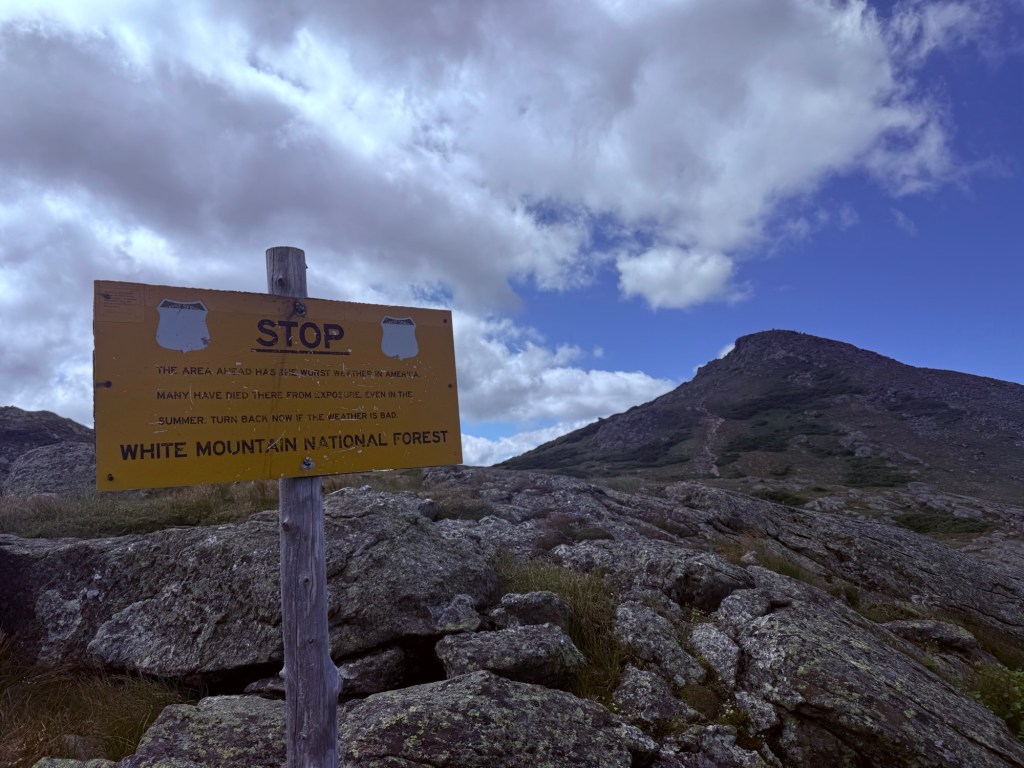
Mount Washington is the highest mountain in New Hampshire, as well as in the Northeast. This mountain is home to some of the world’s worst weather and is truly a beast to climb.
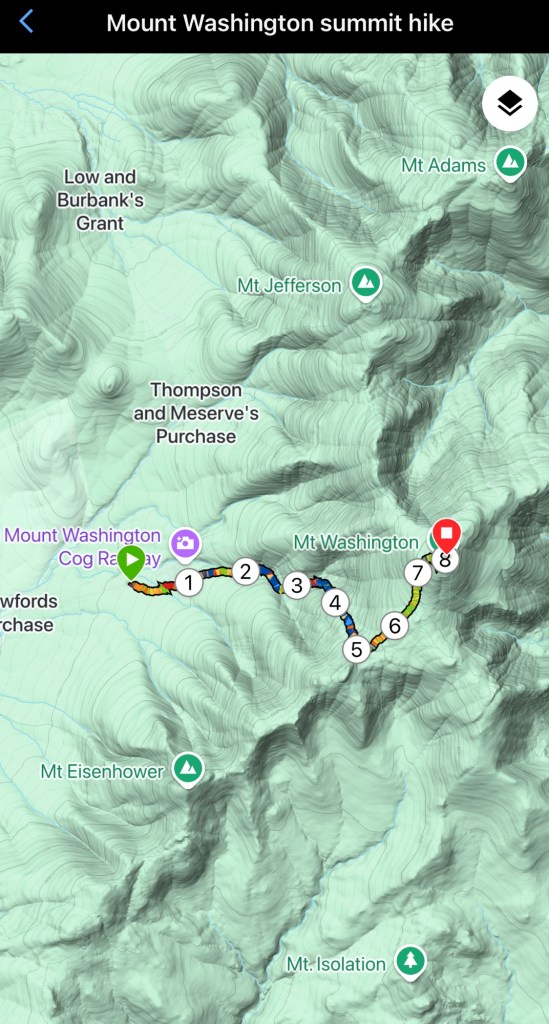
There are several routes to the summit, and all of them are physically challenging. We started out this hike on Ammonoosuc Ravine Trail. The first 2 miles or so, was relatively flat and wet because it follows the Ammonoosuc River for the first half. Eventually we came to a beautiful waterfall and pool called the Gem Pool.
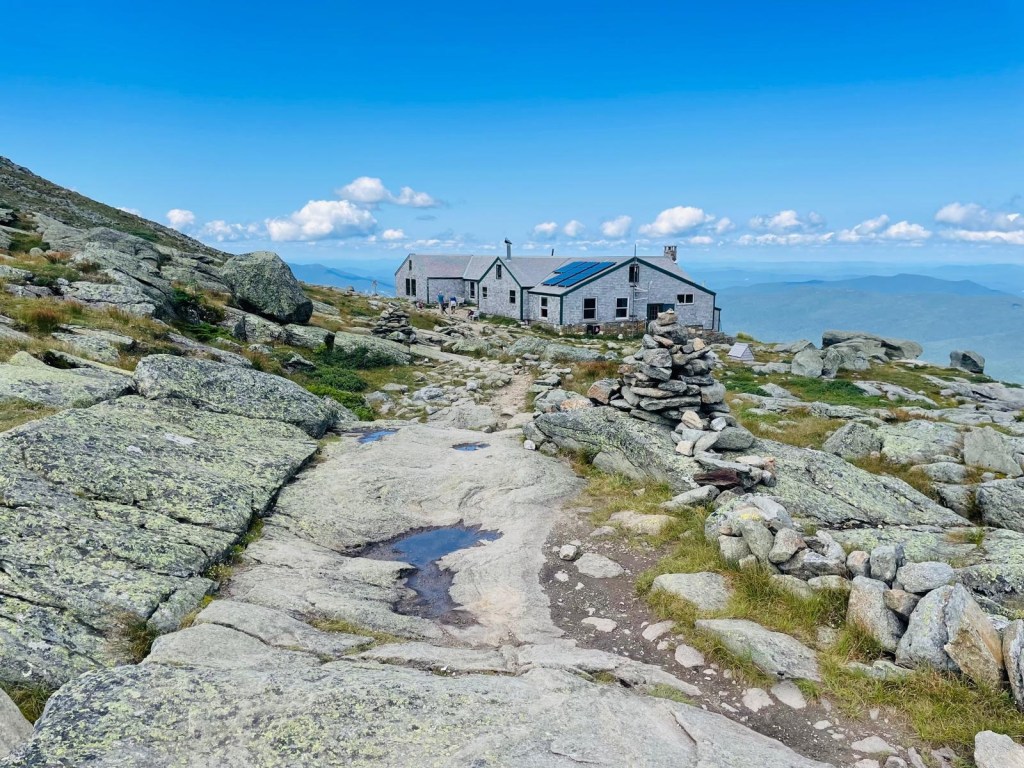
After the Gem Pool is when we really began to climb! The trail was steep and rough the rest of the way. Be prepared to climb steep section full of rock slabs and scrambles, but luckily we were rewarded shortly after this section with the Lake of the Clouds Hut. We enjoyed a snack there and then headed up to Mount Washington.
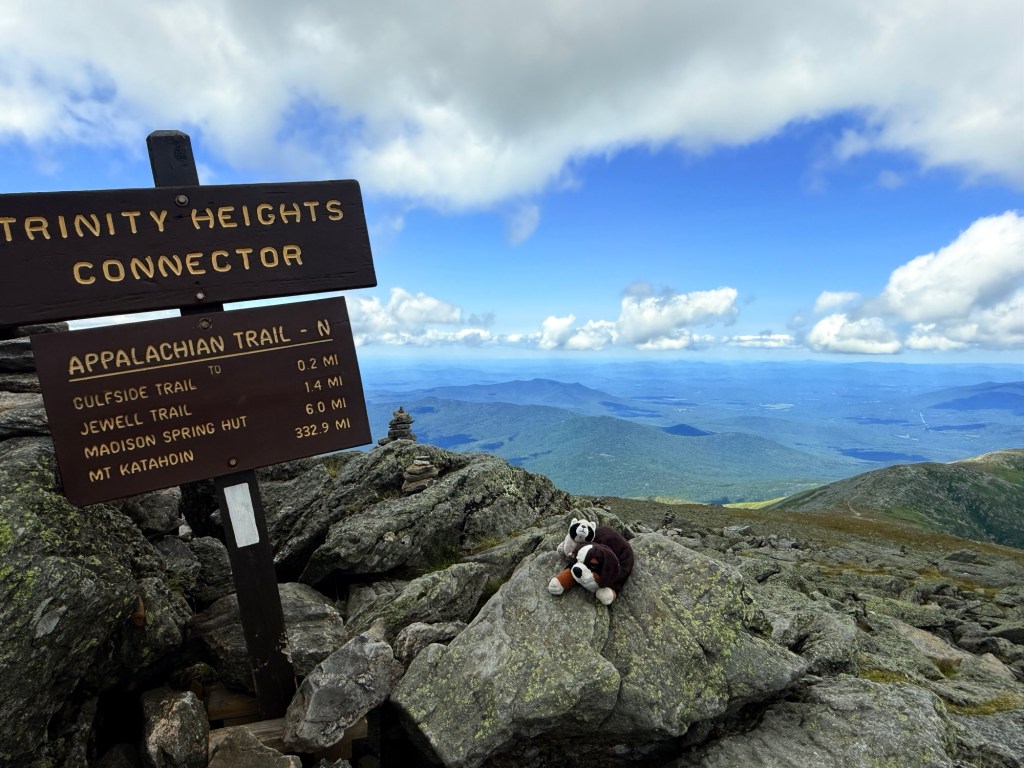
From the hut, it is about 1.5 miles up to the summit. Even if it was difficult and we were hiking along a rocky path. We just kept going because the whole time we could see the summit and we just wanted to get there.
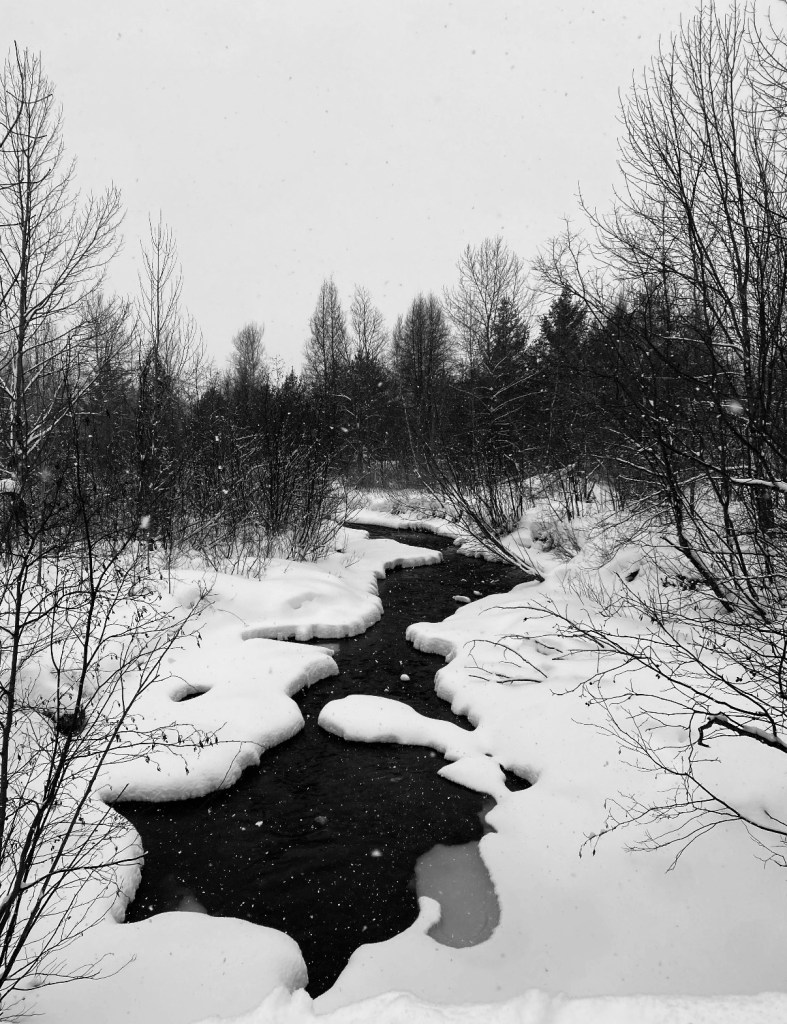
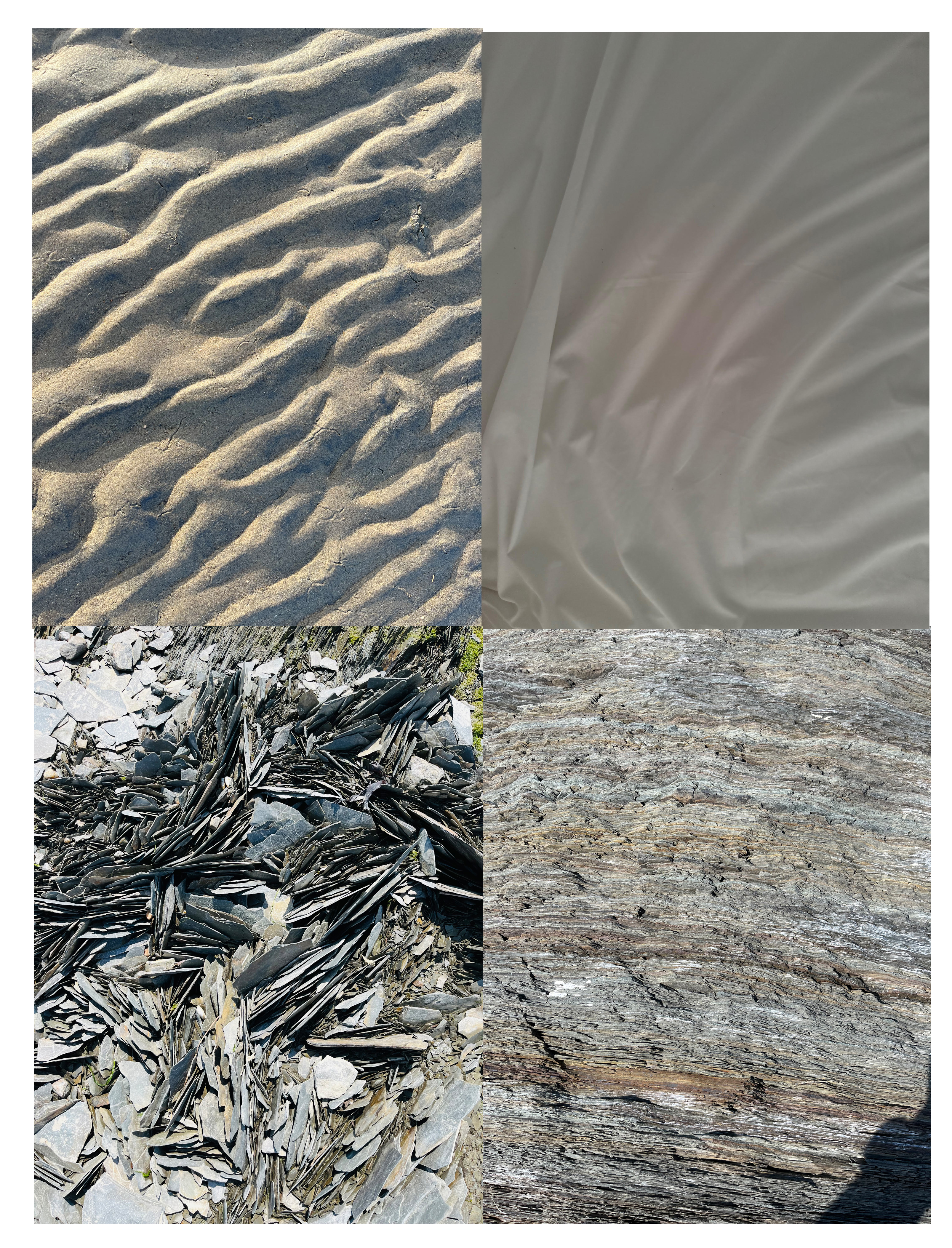
Le courant creuse son avancée, assure les méandres de son horizon, rend le cours perpétuel, le temps à la renverse, comme les vagues adossées au lit qui se forme. L’eau creuse autant qu’elle avance au temps long des falaises. Les bords sont faits de vieilles vagues assemblées, les bords sont faits de rives franchies, d’autant de creux que de champs d’inertie.
Ainsi ta peau accélère le cours d’eau dont les limites s’évasent, se plissent, s’enfoncent en ramifications, s’étendent au-dedans de moi. Une surface toute entière, en sutures haut & bas, à laquelle je donne main au visible.
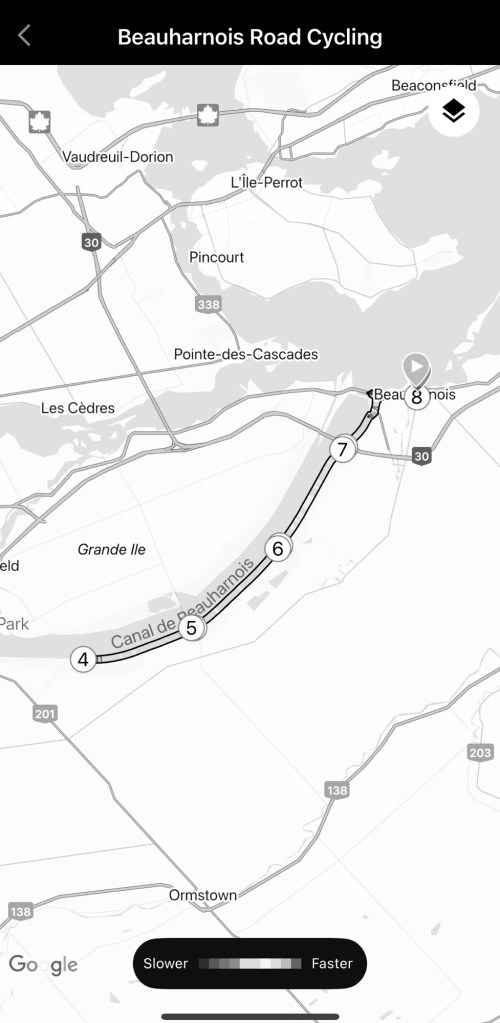
Cartography can be an incredible form of escapism, as maps act as proxies for experiences. Whatever their purpose, they have an inherent beauty, an attraction in their way of ordering things and remembering.
Maps are the places where memories go not to die but to live forever.
On me demande ce que je peux bien faire, ce que je deviens, pourquoi je fournis la vitrine de ce blog avec une telle irrégularité, si quelque chose ne tourne pas rond, si par hasard je ne serais pas morte etc… Voilà bien des questions, que je trouve fort indiscrètes même quand je me les pose moi-même, ayant disparue de mes propres radars et auxquelles je suis aussi réticente qu’incapable de répondre. Moins on en sait, et “moi” la premiere, sur mon compte, mieux je me porte.
Nos abstentions révèlent de nous un portrait plus certain que celui, en trompe l’œil ou caricatural, que s’ingénie à donner, pour la galerie, la comédie de nos faits et gestes.
Everyone has a favorite prayer—even those of us who don’t pray. My favorite prayer is four lines long, and it is in both the Rosh Hashanah and the Yom Kippur liturgy. It asks God for the ability to speak, to express oneself, to find words that have meanings.
We can learn a lot about a person in the very moment that language fails them. In the very moment that they have to be more creative than they would have imagined in order to communicate. It’s the very moment that they have to dig deeper than the surface to find words, and at the same time, it’s a moment when they want to communicate very badly.
Speaking calls for risk, speaking calls for a sense of what one has to lose. Not just what one has to gain.
Understanding is love’s other name. Even without intentional deception, people will surprise you, will shock you, will hurt you, not out of malice, but out of the incompleteness of their own self-knowledge, which continually leads them to surprise themselves.
More often than not, when someone breaks a promise, it is because they believed themselves to be the kind of person who could keep it and found themselves to be a person who could not. If we live long enough and honestly enough, we will all find ourselves in that position eventually, for in the lifelong project of understanding ourselves, we are all reluctant visitors to the dusky and desolate haunts of our own nature, where shadows we do not want to meet dwell. But in any human association that has earned the right use the word love, we must be in relationship with both the light and the shadow in ourselves and each other.
All authentic relationship is therefore a matter of clear sight of seeing through the shining pane of the other’s self-concealment and removing the mirror of our own projections.
It is, of course, impossible to ever fully know what it is like to be someone else, this is the cost of consciousness, singular and secretive as it is; impossible, too, to fully convey to another what it is like to be you. The dream of perfectly clear vision is indeed just a dream. But we can always see a little more clearly in order to love a little more purely.
The place of choice is certainly a different one if we think in terms of a world which is compulsively present to the will, and the discernment and exploration of which is a slow business. Moral change and moral achievement are slow; we are not free in the sense of being able suddenly to alter ourselves since we cannot suddenly alter what we can see and ergo what we desire and are compelled by.
In a way, explicit choice seems now less important: less decisive (since much of the “decision” lies elsewhere) and less obviously something to be cultivated. If I attend properly I will have no choices and this is the ultimate condition to be aimed at… Will continually influences belief, for better or worse, and is ideally able to influence it through a sustained attention to reality.
This is so because pure attention reveals the fundamental necessity of our lives, and where there is necessity there is no need for choice, there is only obedience to reality, which is always an exercise of love. Such attention, patient, loving regard, directed upon a person, a thing, a situation shapes what we believe to be possible and, when coupled with the conscious will, shapes our lives. It is only through obedience to reality that we can ever see clearly enough ourselves or another to be in loving relationship, by discovering, the real which is the proper object of love.
Là-bas, où la terre est très ferme, les betes ont l’odeur de fleurs d’ortie. Je ne dis rien, les animaux me comprennent. De perdre tout intérêt à la marche du monde. Parler est le propre de l’homme. Le temps que met le son pour parvenir à l’oreille prend celui du lieu qui le reçoit, la nature elle, a un rythme désaccordé avec des sons aux sources parfaites, une dissymétrie, des apparitions nettes sous le fruit d’anamorphoses en oasis.
L’idée que l’espace soit le coeur d’une oasis me rassure. Je tends les bras au plus près de ce qui les ouvre, le feu suit le creux, l’appel d’air, remplit la lumiere, entre dans l’étendue de l’espace interne. La durée change, son avancée est matérielle, elle se rit de l’obstacle, longue odyssée, la ritournelle roule, se recompose à partir d’un horizon, le redessine encore, les silences livrent le cœur comme la pluie le gel le soleil font l’argile de l’argile.
Rosset me rappelle comme un mantra « Sois ami du présent qui passe : le futur et le passé te seront donnés par surcroît ». Ni course après le temps, ni débris, ni rampement, l’un l’autre en miroir passeraient un pas de deux, du dehors au dedans. Quelque chose de nouveau fait le chemin.
 Selbstwehr
You must be logged in to post a comment.