Yom Kippur is the day when we get real. Yom Kippur is not a day to pretend to be holier than we really are. We are merely being honest with ourselves and how holy we really are. We dress in white, refrain from our bodily needs and stay all day in shul not as an act but as an expression of truth. Yom Kippur is the reality check that reminds us if we have forgotten our true selves the rest of the year.
I became aware that I need to learn how to enjoy the process of waiting. I am an impatient person by nature and feel restless until I obtain my goals.
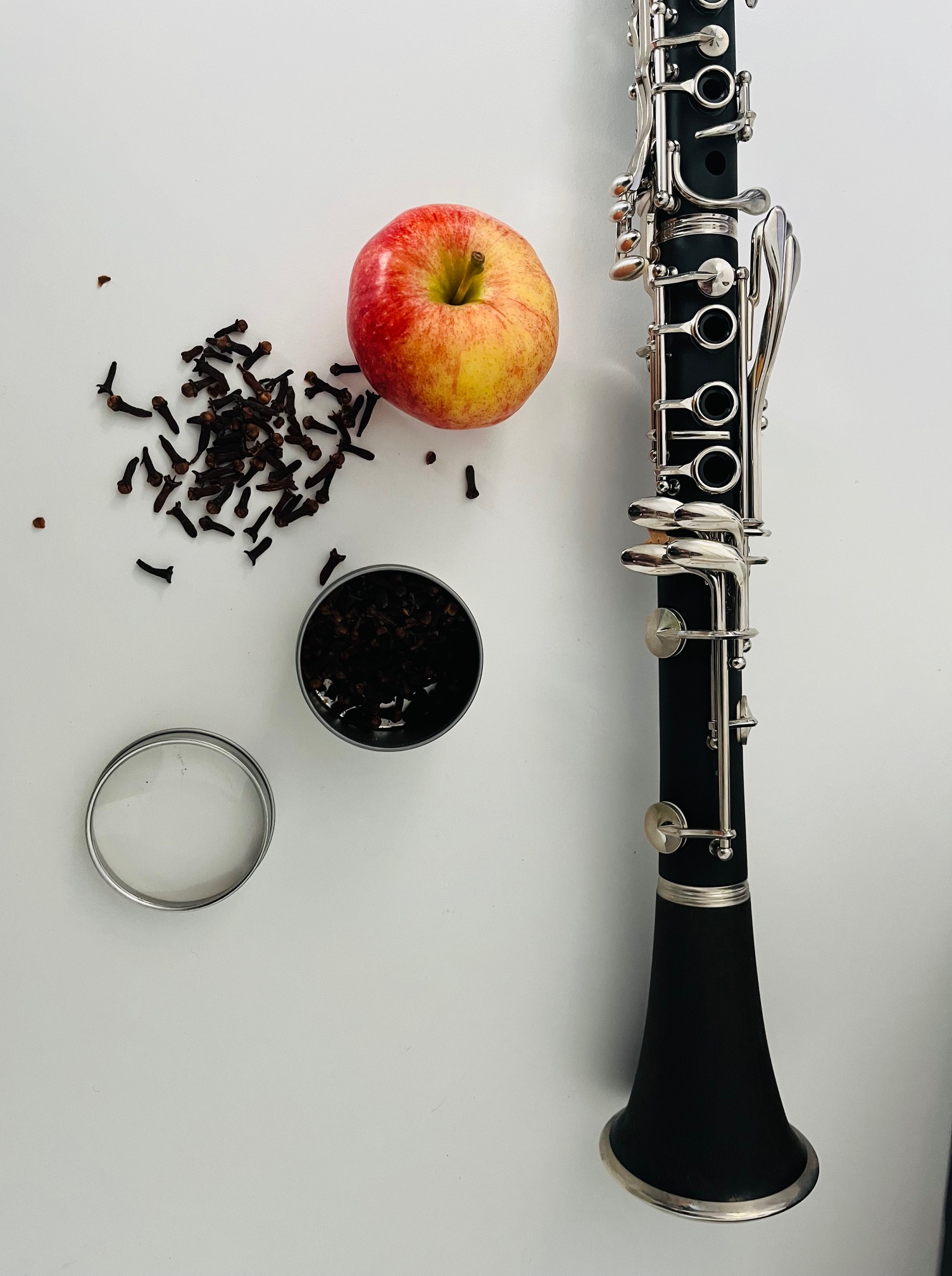
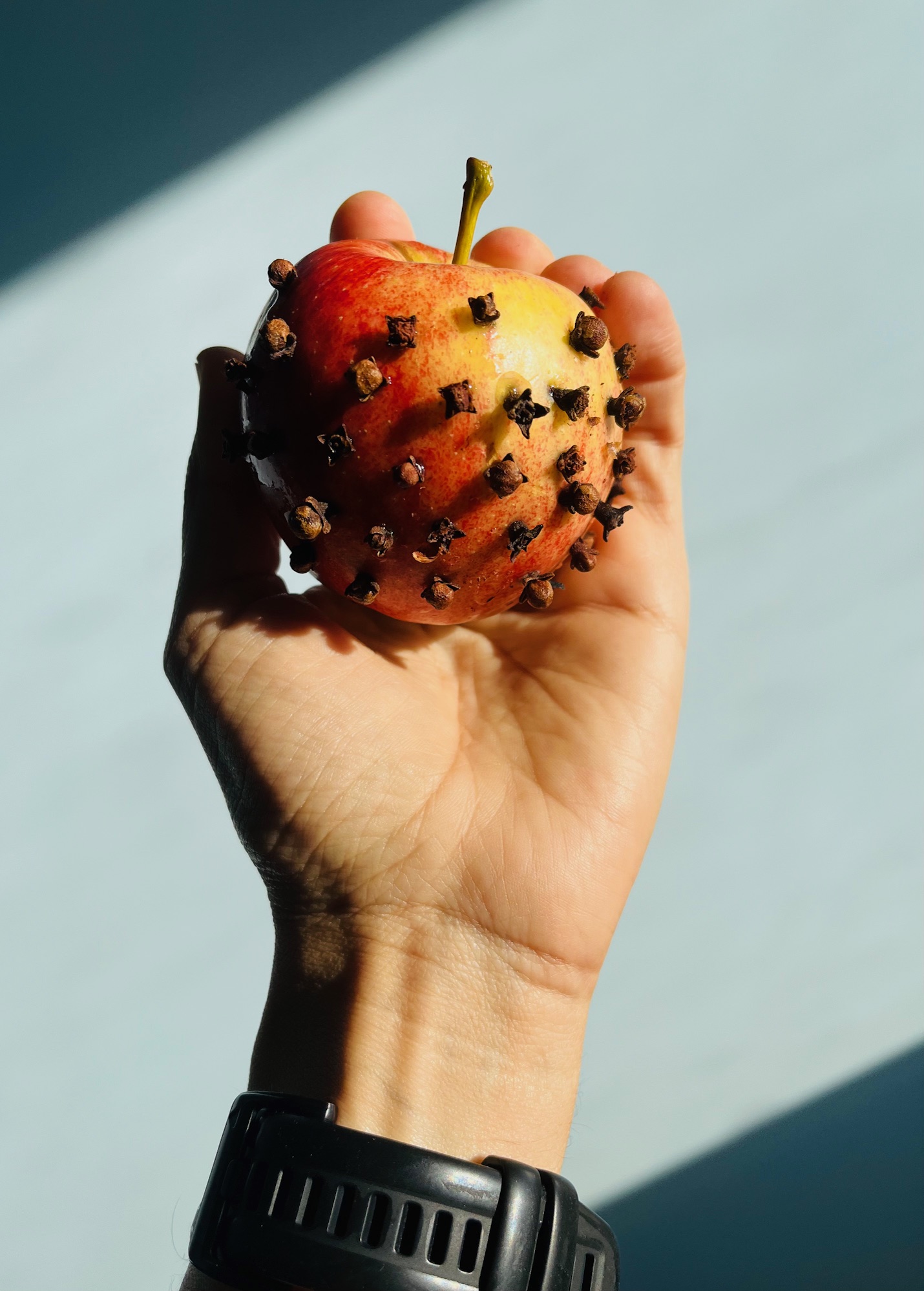
While people commonly say that we need to take time to “smell the roses”, smell kippur apples , how many of us really do this on a consistent basis? How many of us can truly enjoy the journey before we have reached the destination?
And every year has its Rosh Hashana, that peculiarly Jewish day in which there are no parties and abandonment of restraint; in which there is no hilarious laughter and noise that is a frantic and frenetic attempt to convince all (and oneself) that he is happy; there is no frantic clutching at pleasure before it escapes and – worse – before I pass on; too soon, too soon. There is Rosh Hashana, the time post. Another year gone by – already? So soon! – and it is a time to see what the gray hairs and the added wrinkles and the slower reflexes have taught us. Rosh Hashana is one step closer to the gateway out of this world and into the next one. It is a time to rehearse the speech that we will make – all of us – some day, before the Supremest of courts, as we attempt to explain the meaning of our lives below.
Life is too short for fools. It is too long for those who know it was not given for happiness (if that comes, how wonderful, but how often does it appear, only in insignificant measures and at rare times, as drops of rain that fall on a parched desert leaving no impact, changing nothing so that the traveler never knows it fell). Life was given for holiness and sanctity, so that we might rise ourselves; so that we might consecrate and hallow that animalism within us that threatens at every moment to escape and express itself in selfishness, ego and greed – sins that are themselves only the corridors to the crimes of cruelty and hurting others. Life is not a happy thing – it is a beautiful thing, and when one becomes the artist and artisan of that beauty that is called holiness, when one practices the supreme holiness that comes of loving and giving of oneself.
Be good. Love. Love selflessly; cease speaking evil, cease thinking evil; cease searching out evil in your fellow human beings. Cease seeking to grow at the expense of others. For one who climbs on top of the man he has just chopped down is not taller. He is the same dwarf standing on his victim’s height. Be wary lest you hurt the one you love. Think before you act towards the other person. Be good as a person, as an individual, and your part of the world has become holy. Then, if others emulate you, the world will suddenly and automatically turn beautiful and hallowed. It is Elul. Think of your beloved – all the people of the earth – and think of your particular beloved. Give of yourself and you will receive that which no amount of grasping and scheming can ever bring you: self-respect. Love the other and you will learn to like yourself. Be holy, for the One who made you is Holy and for this He placed you on this earth.
It is another Rosh Hashana yet another one. How many more are left?
I spent years wanting to learn everything, understand every phenomenon, and once i felt I almost accomplished some of it, i was hit by Kohelet 1:18. This is why i decided to undo the weaving, empty the alveoli, dilute the paint. Return to my first year at school with that big metaphysical question : Do you have a blue pen ?
As long as one does not believe that he is good, he cannot believe that another is good. Only a person that believes that his own essence is good, and accustoms himself to give and not take (thereby removing the veil of the “I”) will be able to expand the light outward toward another. A person who has worked on himself to see himself as good, but still has a habit of taking and not giving, will find a barrier created by his desire to take. Such a person might think of himself as good, with a bad garment, but of another individual as inherently bad. Why? Because he has set up a barrier between himself and another. His desire to take makes him a distinct entity, so although he knows that he is good with an evil garment, he will not be able to apply that attitude toward others. The desire to take is a barrier, and he wants to keep the goodness for himself. His eye will be like that of Bilaam, “an evil eye”. Only if he has also developed a desire to give can he expand the good found in him to another, and by doing so, he will see the entire creation as good. This expansion of goodness to the whole world will bring out in him the world of inner, true love that unifies all of the creations.
The Gemara says that a person should say to himself, “The whole world was created only for my sake.” This thought has far reaching implications. When you realize that the whole world was created for no one but you, it follows that you are the only person in the entire world, and that the survival or destruction of the world hinges on your choice to do good or evil. Since you are the only one around, you need not be concerned about the opinions of others when you are serving G-d, for next to you, all else is of secondary importance. When you look at life from this perspective then you will serve G-d with total devotion, without any ulterior motive or muddled thinking. You will then break down all the klippos – the outer barriers that prevent you from perceiving holiness.
From his window facing the marketplace Rebbe Nachman spotted one of his followers rushing by.
“Have you looked up at the sky this morning?” the Rebbe asked.
“No, Rebbe, I haven’t had the time.”
“Believe me, in fifty years everything you see here today will be gone. There will be another fair–with other horses, other wagons, different people. I won’t be here then and neither will you. So what’s so important that you don’t have time to look at the sky?!”
Rebbe Nachman of Breslev states that it is a segulah to gaze at the sky. (A segulah is something that has some sort of mysterious power, although we may not understand how it works.) He does not exactly say what this is a segulah for, but it seems to be for wisdom.
Today i sat looking at the sky. The blue expanse was especially clear and luminous, and it occurred to me that thoughts are like clouds, massing in the open space of the mind, even taking over, magnetizing all of our attention, but still constantly changing, rearranging like the glass fragments of a kaleidoscope. Yet the open expanse remains the same. Spiritual obstacles are also like clouds. Rebbe Nachman states that all obstacles are illusory, but the main obstacles are those of the mind. They may seem to be the most insubstantial, but not when a person stares them in the face.
Nachman suggests that the essence of reality is actually the “World of Thought” : the cosmic mind. Everything comes from there, and returns there, and in truth — although this is hard for us to grasp — everything constantly remains there. We experience a physical universe, but it emerges from the divine thought:Thus, all existence is like the clouds. Each created thing appears to be solid and firm, but in truth it is insubstantial and transitory. As we say on Rosh Hashanah at the end of U’nesaneh Tokef, “Like a broken shard, like withering grass, like a fading flower, like a passing shadow, like a dissipating cloud, like a gust of wind, like a swirl of dust, like a fleeting dream…”



 Selbstwehr
You must be logged in to post a comment.