« je ne veux m’engager dans rien (…) tenir les mains toujours complètement libres dans l’air, n’entrer dans aucune écorce, ne toucher à rien du moins directement, que les choses viennent avec des pieds muets, d’elles- mêmes elles entrent sans que j’entende aucun éclat de porte qui s’ouvre et se ferme, aucune ligne droite, aucune blessure, je ne les toucherai pas. » (1933) A. Giacometti, Ecrits, Hermann, 2001, p. 161.
« […] j’ai fait un immense progrès, maintenant je n’avance qu’en tournant le dos au but, je ne fais qu’en défaisant. » Alberto Giacometti, « Notes sur les copies », Écrits, ibid., p. 97.
“The purpose of art is not the release of a momentary ejection of adrenaline but rather the gradual, lifelong construction of a state of wonder and serenity. “ Glenn Gould
“Where are your dreams? …(…) What have you done with those years? Where have you buried your best moments? Have you really lived? ”― Fyodor Dostoevsky, White Nights.
« Une des caractéristiques de l’art de Vermeer, comme peut-être de tout art, parvenu à un certain degré de noblesse, est de peindre des choses, et non des événements. Le monde que perçoit Vermeer n’est pas celui, muet à jamais, des événements insignifiants, mais celui de la matière, éternellement riche et vivante. L’anecdotique, pourrait-on dire, y a chassé l’anecdotique : le hasard d’un moment de la journée, dans une pièce où rien d’important ne se passe, apparaît comme l’essentiel d’un réel dont les événements apparemment notables constituent au contraire la part accessoire. De ce réel saisi par Vermeer le moi est absent, car le moi n’est qu’un événement parmi d’autres, comme eux muet et comme eux insignifiant. Il n’y a d’ailleurs pas d’autoportrait de Vermeer, et la biographie du peintre tient en dix lignes anodines. Cependant Vermeer semble bien s’être peint une fois, par un jeu de double miroir : dans cette toile sans nom précis, aujourd’hui appelée L’Atelier. Mais le dos, comme un peintre quelconque, qui pourrait être n’importe quelle autre personne occupée à sa toile. Rien, dans le costume, la taille, l’attitude du peintre, qui puisse être regardé comme signe distinctif, rien donc qui fasse état d’une complaisance quelconque du peintre à l’égard de sa propre personne. Dans le même temps cet « atelier », comme toutes les toiles de Vermeer, semble riche d’un bonheur d’exister qui irradie de toutes parts et saisit d’emblée le spectateur, et qui témoigne d’une jubilation perpétuelle au spectacle des choses : d’en juger par cet instant de bonheur, on se persuade aisément que celui qui a fait cela, s’il n’a fixé dans sa toile qu’un seul moment de sa joie, en eût fait volontiers autant de l’instant d’avant comme l’instant d’après. Seul le temps lui a manqué pour célébrer tous les instants et toutes les choses » . Cl. Rosset, Le réel et son double.
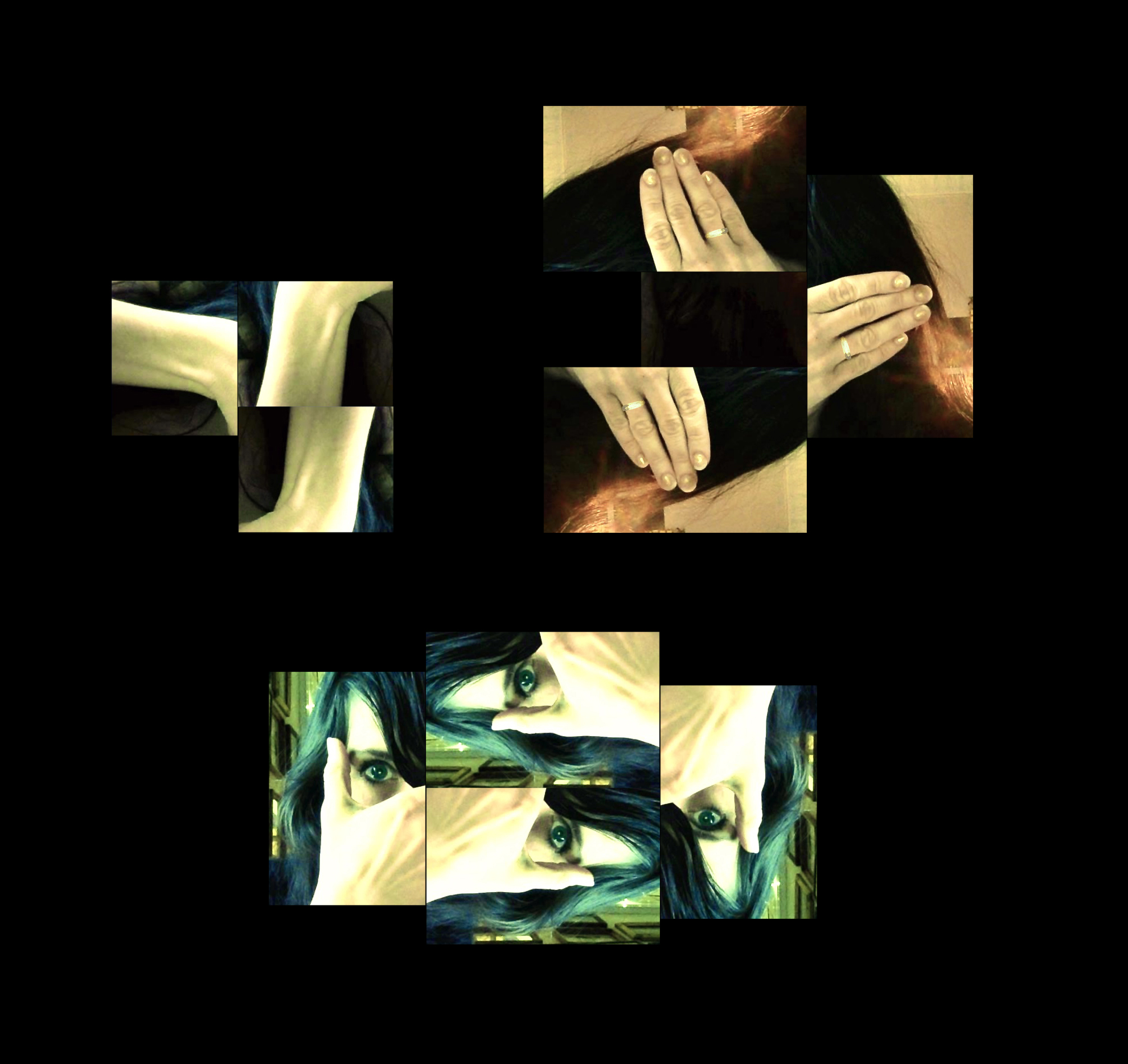
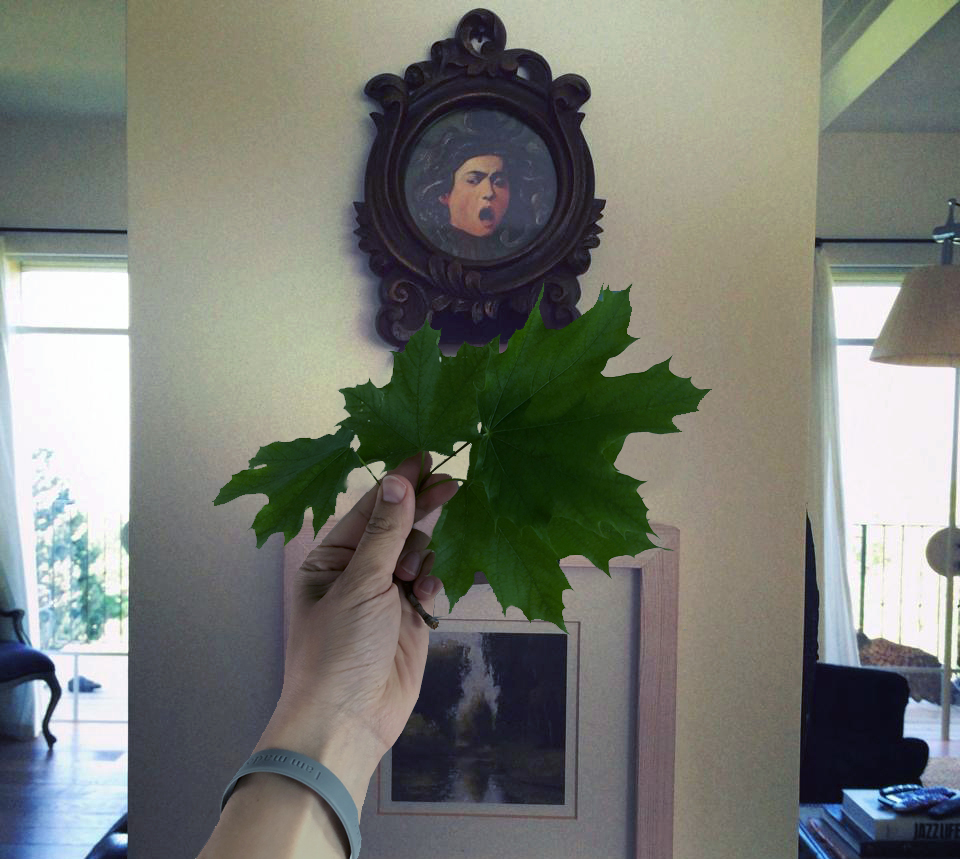
So what happens to the sense, notion, and identity of your face dissolved and rearranged into pieces ?
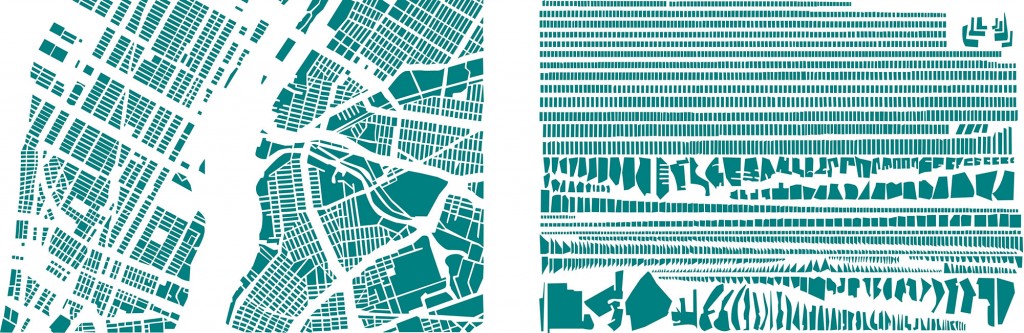
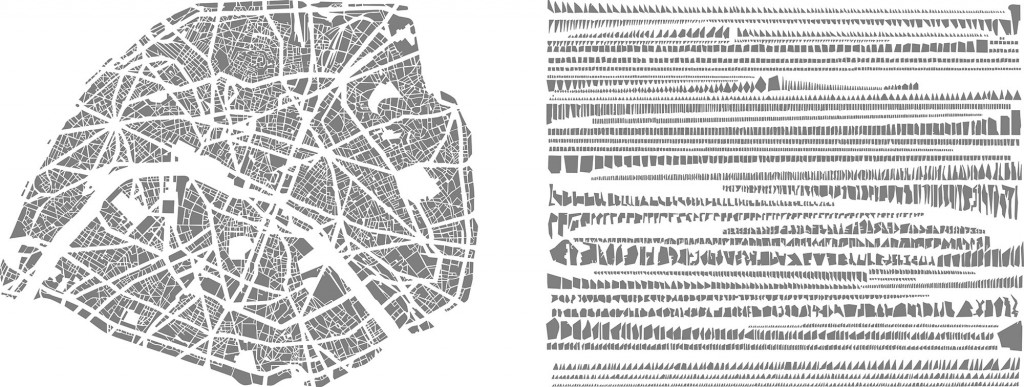
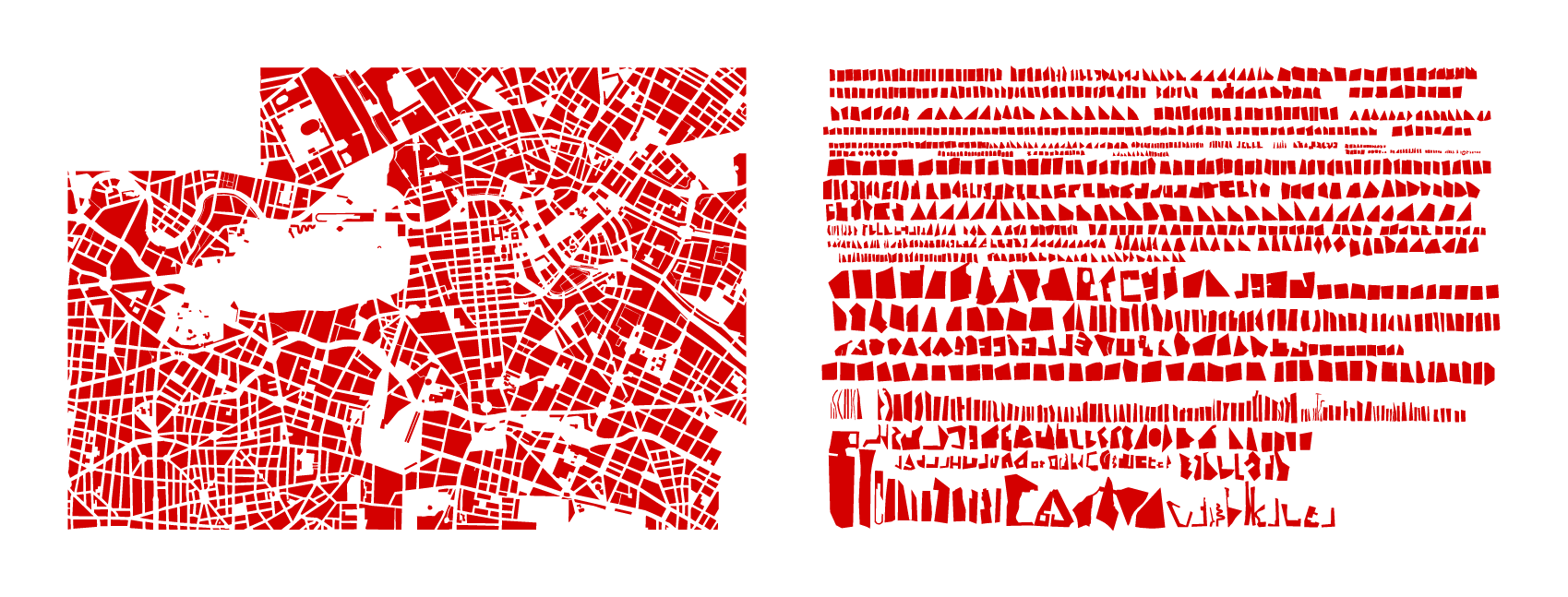
Like the French artist Armelle Caron explores in her playful series “Everything Tidy” doing to cities what Ursus Wehrli does to art. Deconstructing the familiar grid representations into “tidy” graphic anagrams. Dissect the symbolism, analyze the message.
Come, said my Soul Such verses for my Body let us write, (for we are one,) That should I after death invisibly return, Or, long, long hence, in other spheres, There to some group of mates the chants resuming, (Tallying Earth’s soil, trees, winds, tumultuous waves,) Ever with pleas’d smiles I may keep on, Ever and ever yet the verses owning — as, first, I here and now, Signing for Soul and Body, set to them my name, Walt Whitman
You were asleep. I wake you. The vast morning brings the illusion of a beginning. You had forgotten Virgil. Here are the hexameters. I bring you many things— the four Greek elements: earth, water, fire, air; a single name of a woman; the friendship of the moon; the bright colors of the atlas; forgetting, which purifies; memory, which chooses and rediscovers; the habits which help us feel we are immortal; the sphere and the hands that measure elusive time; the fragrance of sandalwood; the doubts that we call, not without some vanity, metaphysics; the curve of the walking stick the hand anticipates; the taste of grapes and of honey
« Because you are the only person I can talk with about the shade of a cloud, about the song of a thought — and about how, when I went out to work today and looked a tall sunflower in the face, it smiled at me with all of its seeds. »
I’ve always been interested by the poetry of neglected shipyards, ugly railway sidings and wasteland, places of desolation and neglect. Because I knew inside of me that the outer world does not support us in continuity, the street is full of heterogeneous things, but we are helped in continuity by the unconscious, this inner order is the foundation of our psyche. Everything seems to come with bewildering in consequence from all its various layers….
This what my whole conceptual life is about ….lines drawn until they fade and fuse with the surface, creating spatial depth and this process of adding layers exploits these abstract interpretations of movement, sound, mutability and evanescent light. It is an investigation of our surrounding….exactly the way one must understand his own darkness/ light and complexity. Nothing in us ever remains quite uncontradicted.
 Selbstwehr
You must be logged in to post a comment.