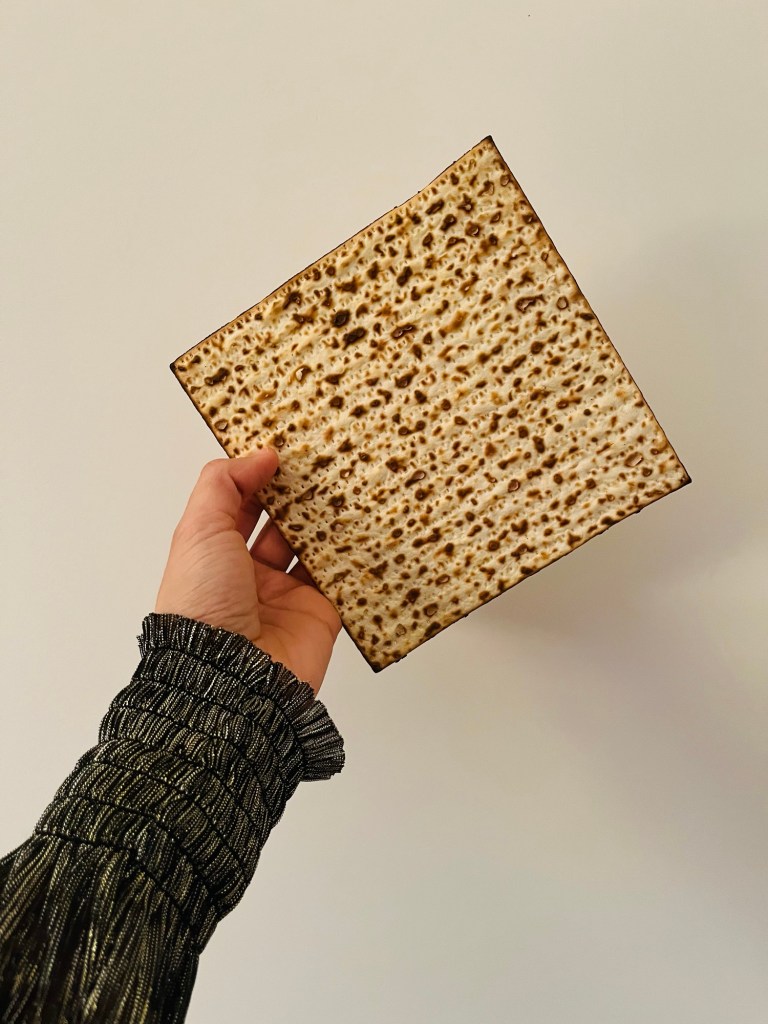
On Pesach, I found strange the invitation to others to join us in eating the bread of affliction. What kind of hospitality is that, I thought, to ask others to share our suffering?
Unexpectedly, I discovered the answer in Primo Levi’s great book, If This is a Man, the harrowing account of his experiences in Auschwitz during the Holocaust. According to Levi, the worst of all his terrible experiences happened when the Nazis abandoned the camps in January 1945, fearing the Russian advance. All prisoners who could walk were taken on brutal ‘death marches.’ The only people left in the camp were those too ill to move.
For ten days they were left alone with only scraps of food and fuel. Levi describes how he worked to light a fire and bring some warmth to his fellow prisoners, many of them dying. He then writes:
‘When the broken window was repaired and the stove began to spread its heat, something seemed to relax in everyone, and at that moment Towarowski (a Franco-Pole of twenty-three, with typhus) proposed to the others that each of them offer a slice of bread to us three who had been working. And so it was agreed. ’Only a day before’, says Levi, ‘this would have been inconceivable. The law of the camp said: “Eat your own bread, and if you can, that of your neighbour.” To do otherwise would have been suicidal. The offer of sharing bread “was the first human gesture that occurred among us. I believe that that moment can be dated as the beginning of the change by which we who had not died slowly changed from Haftlinge[prisoners] to men again.’
Sharing food is the first act through which slaves become free human beings. One who fears tomorrow does not offer their bread to others. But those who are willing to divide their food with a stranger have already shown themselves capable of fellowship and faith, the two things from which hope is born. That is why we begin the Seder by inviting others to join us. That is how we turn affliction into freedom.
 Selbstwehr
You must be logged in to post a comment.